
MAOIs and Other Antidepressants: Combination Dangers and Safer Alternatives
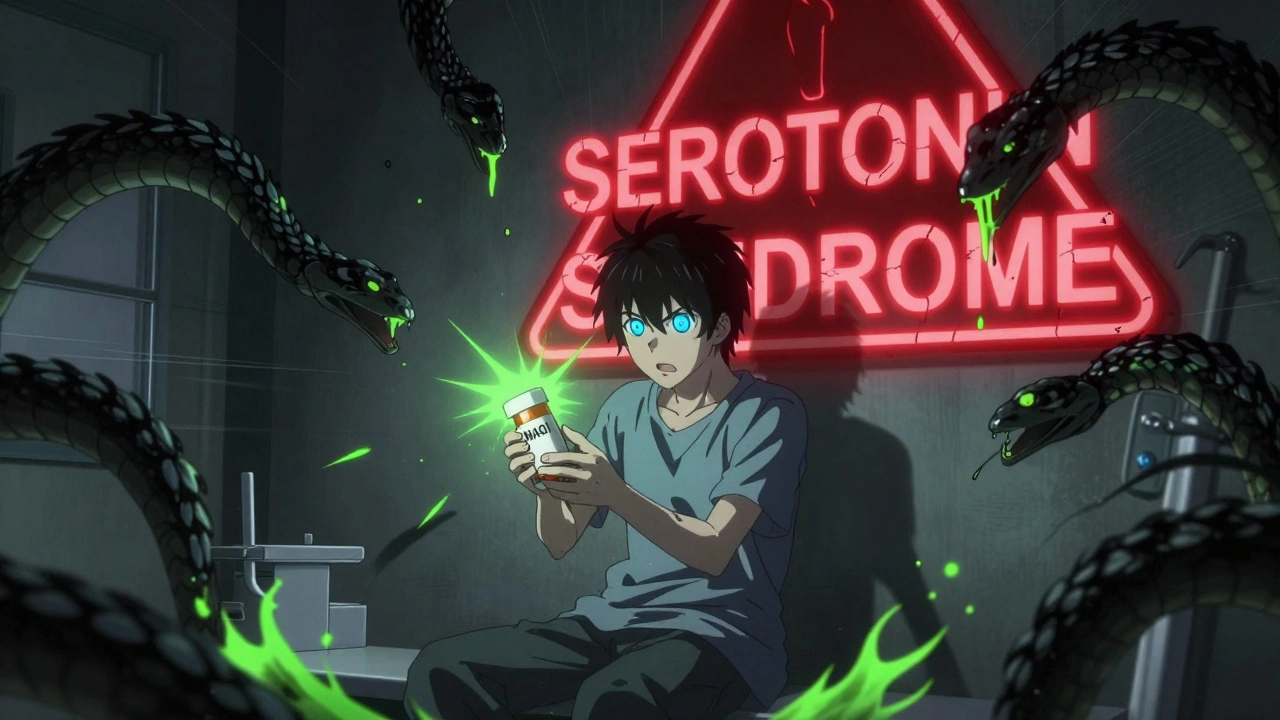
Combining MAOIs with other antidepressants can be life-threatening-if you don’t know what you’re doing. Monoamine oxidase inhibitors (MAOIs) like phenelzine, tranylcypromine, and the selegiline patch aren’t first-line treatments anymore. But for people with treatment-resistant depression, they’re often the last effective option left. The problem? One wrong move with another medication, and you could trigger serotonin syndrome-a condition that can spike your body temperature, lock your muscles, send your heart into chaos, and even kill you.
Why MAOIs Are Still Used
MAOIs were the first antidepressants ever developed, dating back to the 1950s. They work by blocking the enzyme that breaks down serotonin, norepinephrine, and dopamine. That means more of these mood-lifting chemicals stay active in your brain. For some people, especially those with atypical depression-think extreme fatigue, oversleeping, heavy limbs, and intense sensitivity to rejection-MAOIs work better than anything else. Studies show 40-60% of patients with treatment-resistant depression respond to MAOIs when other drugs failed.The transdermal selegiline patch (Emsam) made MAOIs easier to use. At low doses (6 mg/24hr), it doesn’t require strict dietary changes. That’s why more psychiatrists are turning to it today. Still, most people avoid MAOIs because of the risks. And those risks aren’t theoretical. They’re documented in case reports, FDA warnings, and decades of clinical data.
The Deadly Mix: MAOIs and SSRIs/SNRIs
The most dangerous combination is MAOIs with SSRIs (like fluoxetine, sertraline) or SNRIs (like venlafaxine, duloxetine). Both types of drugs increase serotonin levels. Add them together, and your brain gets flooded. That’s serotonin syndrome.A 1995 study in the Journal of Clinical Psychiatry looked at eight cases where fluoxetine was combined with tranylcypromine. Seven ended in death. The FDA responded with a boxed warning-the strongest type. It’s clear: never combine MAOIs with SSRIs or SNRIs.
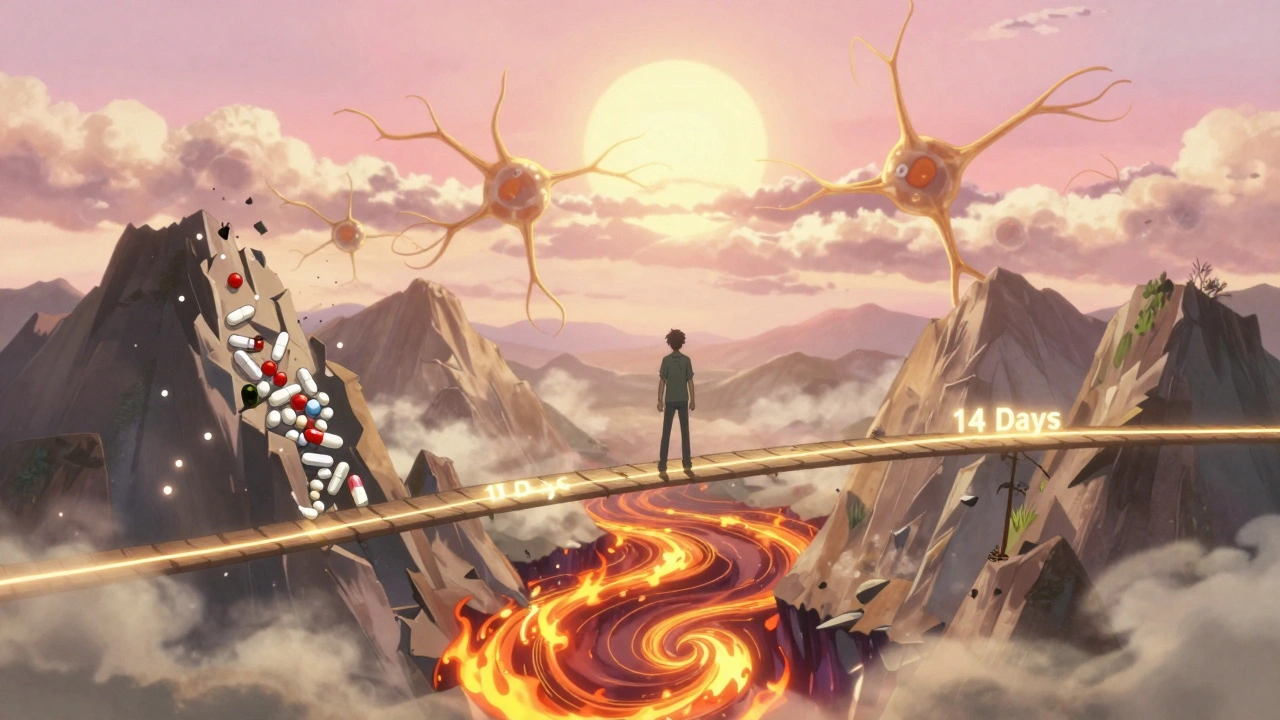
Even timing matters. Fluoxetine sticks around in your system for up to five weeks because of its long-lasting metabolite, norfluoxetine. So if you stop fluoxetine, you still need to wait five weeks before starting an MAOI. For other SSRIs, it’s 14 days. The reverse is also true: if you’re coming off an MAOI, wait at least 14 days before starting any SSRI or SNRI. Rushing this window isn’t just risky-it’s reckless.
Tricyclic Antidepressants: A Gray Area
Tricyclics (TCAs) like amitriptyline or nortriptyline are older antidepressants. Historically, doctors were told to avoid combining them with MAOIs. But recent research is changing that.A 2022 review in PMC9680847 found that combining MAOIs with certain TCAs isn’t automatically dangerous. In fact, some studies show good results. One trial with phenelzine and nortriptyline had a 57% response rate in treatment-resistant patients, with few serious side effects. The catch? You have to get the sequence right. If you start the MAOI first, the risk of serotonin syndrome goes up. But if you start the TCA first-or add them at the same time-the body adjusts better.
There’s one exception: clomipramine. This TCA is especially strong at blocking serotonin reuptake. Never combine it with an MAOI. The risk isn’t worth it.
So the rule isn’t “never.” It’s “only under expert supervision, with the right drug, and the right timing.” Nortriptyline is the safest TCA to consider. Amitriptyline? Riskier. Clomipramine? Absolutely not.
Safer Alternatives to Combine With MAOIs
You don’t need to risk serotonin syndrome to boost your antidepressant treatment. Several medications can be safely layered with MAOIs because they don’t strongly affect serotonin.- Bupropion (Wellbutrin): Works on dopamine and norepinephrine, not serotonin. It’s a top choice for people who need energy or struggle with sexual side effects from other meds.
- Mirtazapine (Remeron): Blocks certain receptors to boost norepinephrine and serotonin-but in a way that doesn’t trigger dangerous spikes. Multiple case reports confirm it’s safe with MAOIs.
- Trazodone: Used for sleep and depression. Low doses help with insomnia without increasing serotonin risk. Higher doses can be used for depression, still safely with MAOIs.
- Nortriptyline: As mentioned, this TCA is the safest option when a second antidepressant is needed.
- Pramipexole: A Parkinson’s drug that boosts dopamine. Used off-label for anhedonia and low motivation in depression. Case studies show it works well with MAOIs, though you need to start low and go slow to avoid nausea or dizziness.
Even benzodiazepines (like lorazepam) and sleep aids like zolpidem (Ambien) are safe to use alongside MAOIs. They don’t interfere with serotonin or cause hypertensive crises. If you’re anxious or can’t sleep, these are solid options.
What You Must Avoid
Beyond SSRIs and SNRIs, here are other dangerous interactions:- OTC cold medicines: Dextromethorphan (in cough syrups) can trigger serotonin syndrome.
- St. John’s Wort: A natural supplement that acts like an SSRI. Never take it with an MAOI.
- Tyramine-rich foods: Aged cheeses, cured meats, tap beer, soy sauce, and fermented foods can cause sudden, dangerous blood pressure spikes. The selegiline patch reduces this risk at low doses, but you still need to be careful. Avoid anything with more than 20mg of tyramine per 100g.
- Other MAOIs: Combining two MAOIs is never safe. One is enough.
How to Transition Safely
Switching from one antidepressant to an MAOI isn’t a simple swap. It’s a carefully timed process.- Stop your current antidepressant.
- Wait the full washout period: 5 weeks for fluoxetine, 14 days for all other SSRIs/SNRIs.
- Start the MAOI at the lowest dose.
- Monitor closely for side effects: headache, dizziness, high blood pressure, agitation.
- If adding a second medication (like bupropion or mirtazapine), wait at least a week after the MAOI is stable.
Never rush. Never guess. If your doctor says you can switch in a week after stopping fluoxetine, get a second opinion.
Stopping MAOIs Isn’t Easy Either
People think once you’re feeling better, you can just quit. But MAOIs cause a withdrawal syndrome that’s often worse than the depression.Stopping suddenly can cause:
- Restlessness (62% of cases)
- Upset stomach (48%)
- Tingling or burning skin (37%)
- Flu-like symptoms (55%)
- Severe sleep problems (71%)
- Headaches (68%)
Always taper slowly-over 2 to 4 weeks. Work with your doctor. Don’t try to do it alone.
Why So Few Doctors Prescribe MAOIs
Only 5-10% of depression specialists regularly prescribe MAOIs. Why? Because most doctors aren’t trained in them. A 2019 study found only 32% of psychiatry residents felt confident managing MAOIs. Many learned about them in textbooks but never saw them in practice.That’s a problem. MAOIs aren’t outdated-they’re underused. For the 15-20% of people who don’t respond to five or more other treatments, MAOIs are often the only thing that works. But if your doctor doesn’t know the rules, they’ll avoid them entirely.
The solution? Find a psychiatrist who specializes in treatment-resistant depression. Ask if they’ve prescribed MAOIs before. Ask about their experience with combinations. If they hesitate or say “it’s too risky,” they might not be the right fit.
The Future of MAOI Treatment
New research is making MAOIs safer and more targeted. Selective MAO-B inhibitors (like selegiline) are being studied for better side effect profiles. At Yale, early trials are testing MAOIs combined with ketamine for rapid relief in severe depression. These aren’t mainstream yet-but they’re coming.For now, the key is precision: the right drug, the right timing, the right patient. MAOIs aren’t for everyone. But for those who’ve tried everything else, they can be life-changing-if used correctly.
Can I take SSRIs after stopping an MAOI?
Yes, but only after waiting at least 14 days after your last MAOI dose. If you were on fluoxetine before the MAOI, you must wait five weeks after stopping it before starting an MAOI. The reverse is true: if you’re switching from an MAOI to an SSRI, wait 14 days (or 5 weeks if the SSRI is fluoxetine) to avoid serotonin syndrome.
Is it safe to combine MAOIs with Wellbutrin?
Yes. Bupropion (Wellbutrin) doesn’t significantly affect serotonin levels-it works on dopamine and norepinephrine. Multiple clinical sources confirm it’s one of the safest antidepressants to combine with MAOIs. It’s often used to boost energy or counteract sexual side effects.
Can I drink alcohol while on an MAOI?
It’s best to avoid alcohol. While it doesn’t directly cause serotonin syndrome, alcohol can worsen side effects like dizziness, low blood pressure, and drowsiness. Some types, like red wine and tap beer, also contain tyramine and can trigger dangerous blood pressure spikes.
Do I need to follow a special diet forever on MAOIs?
No, not forever. If you’re on the selegiline patch at 6 mg/24hr or lower, dietary restrictions aren’t required. For oral MAOIs like phenelzine or tranylcypromine, you must avoid high-tyramine foods (aged cheese, cured meats, tap beer) while on the drug and for two weeks after stopping. The restriction isn’t lifelong-it’s temporary but critical.
What’s the most common mistake doctors make with MAOIs?
The biggest mistake is assuming all antidepressants are interchangeable. Many doctors don’t realize fluoxetine stays in the body for weeks, or that clomipramine is dangerous with MAOIs but nortriptyline isn’t. Another common error is rushing the washout period. Waiting isn’t optional-it’s what keeps you alive.
Are MAOIs still used today, or are they outdated?
They’re not outdated-they’re underused. MAOIs remain the most effective option for treatment-resistant depression, especially when other drugs have failed. The transdermal patch has made them easier to use. Experts agree: for the 15-20% of patients with truly refractory depression, MAOIs are often the only drug that works.


About Author



So let me get this straight - we’ve got a drug from the 1950s that actually works when everything else fails, but nobody uses it because it’s ‘too risky’? Meanwhile, we’re prescribing SSRIs like they’re candy and acting shocked when people don’t get better. Classic American healthcare. I’m just glad the patch exists now. At least we’re not all dying from cheese anymore. 🙃
People die from this stuff every year and you’re acting like it’s a lifestyle choice. No one should be mixing MAOIs with anything unless they’re under a psychiatrist who’s read every case report since 1972. This isn’t a DIY project. Stop romanticizing it.
It is interesting to contemplate the epistemological paradox of modern psychopharmacology wherein we possess pharmacological agents capable of profound neurochemical modulation yet lack the collective wisdom to deploy them with sufficient caution. The MAOI is not merely a drug but a metaphysical test of human humility - do we trust our understanding of serotonin pathways enough to risk life, or do we retreat into the safety of mediocrity? The answer reveals our true relationship with suffering.
USA has the best meds in the world but our doctors are lazy. If you want real treatment you go to Germany or Japan. They know how to use MAOIs right. Here? They just give you Zoloft and call it a day. Pathetic.
Thank you for this. I’ve been on the selegiline patch for a year and it literally saved me. I was suicidal before. Now I can laugh again. Yes the diet thing sucks but it’s worth it. And yes bupropion is a game changer. You’re not alone if you’re on this path. Keep going 💪
The 2022 review you cite in PMC9680847 is methodologically limited in its sample size and lacks long-term follow-up. While the 57% response rate with phenelzine and nortriptyline is encouraging, the absence of a control group and potential selection bias renders the conclusions preliminary at best. Moreover, the distinction between clomipramine and nortriptyline in terms of serotonergic potency is well documented in the 1998 British Journal of Psychiatry, which suggests that even within TCAs, the risk profile is not uniform. A more rigorous meta-analysis would be necessary before this combination could be considered standard practice.
Just wanna say thanks for laying this out so clearly. I’ve been on MAOI for 8 months and honestly thought I was the only one who knew about the bupropion combo. My doc didn’t even know about the 5 week washout for fluoxetine - had to show him the FDA page. Also yeah tyramine is a pain but I just avoid blue cheese and soy sauce and I’m good. No more death by pizza night 😅
MAOIs are the hidden superhero of depression treatment 🦸♀️✨ And yes, I’m team bupropion + patch - energy back, sex drive back, brain not foggy. Stop being scared. You’re not a lab rat. You’re a human trying to live. 💖
Wow so you’re telling me the one drug that can actually help people is too dangerous for doctors to use unless they’ve got a PhD in 1970s pharmacology? And we wonder why people kill themselves. The real tragedy isn’t serotonin syndrome - it’s that we have a cure and we’re too scared to use it. Congrats America, you’re killing people with bureaucracy.