
Skin Thinning: Causes, Medications, and How to Protect Your Skin
When your skin starts to look fragile, tears easily, or shows visible veins, you might be dealing with skin thinning, a condition where the dermis loses collagen and elasticity, often due to prolonged exposure to certain medications. Also known as cutaneous atrophy, it’s not just aging—it’s often a direct result of how your body responds to drugs you’re taking for other conditions.
This isn’t rare. People using topical steroids, medications applied to the skin to reduce inflammation in eczema, psoriasis, or rashes for months or years often notice their skin becoming paper-thin, especially on the face, inner arms, or thighs. The same thing happens with corticosteroids, oral or injected forms used for asthma, arthritis, or autoimmune diseases. These drugs suppress inflammation, but they also slow down collagen production—the very thing that keeps skin strong and resilient. Over time, even minor bumps or scratches can lead to bruises or tears that heal slowly.
What makes it worse? Using strong steroids on sensitive areas like the eyelids or groin, applying them more often than prescribed, or combining them with other skin-thinning agents like retinoids or alcohol-based cleansers. It’s not always obvious until the damage is done. And here’s the catch: stopping the steroid doesn’t always fix it. Some thinning is permanent unless you act early.
You don’t have to live with it. Many people successfully manage their condition while reducing skin damage—by switching to lower-potency creams, using them only when necessary, adding moisturizers with ceramides, or asking their doctor about non-steroid alternatives like calcineurin inhibitors. It’s not about avoiding treatment—it’s about using it smarter.
In the posts below, you’ll find real, practical advice on how to recognize early signs of skin thinning, which medications are most likely to cause it, how to protect your skin while still managing chronic conditions, and what alternatives exist when steroids become too risky. These aren’t theoretical tips—they come from people who’ve been there, and from studies that show what actually works.
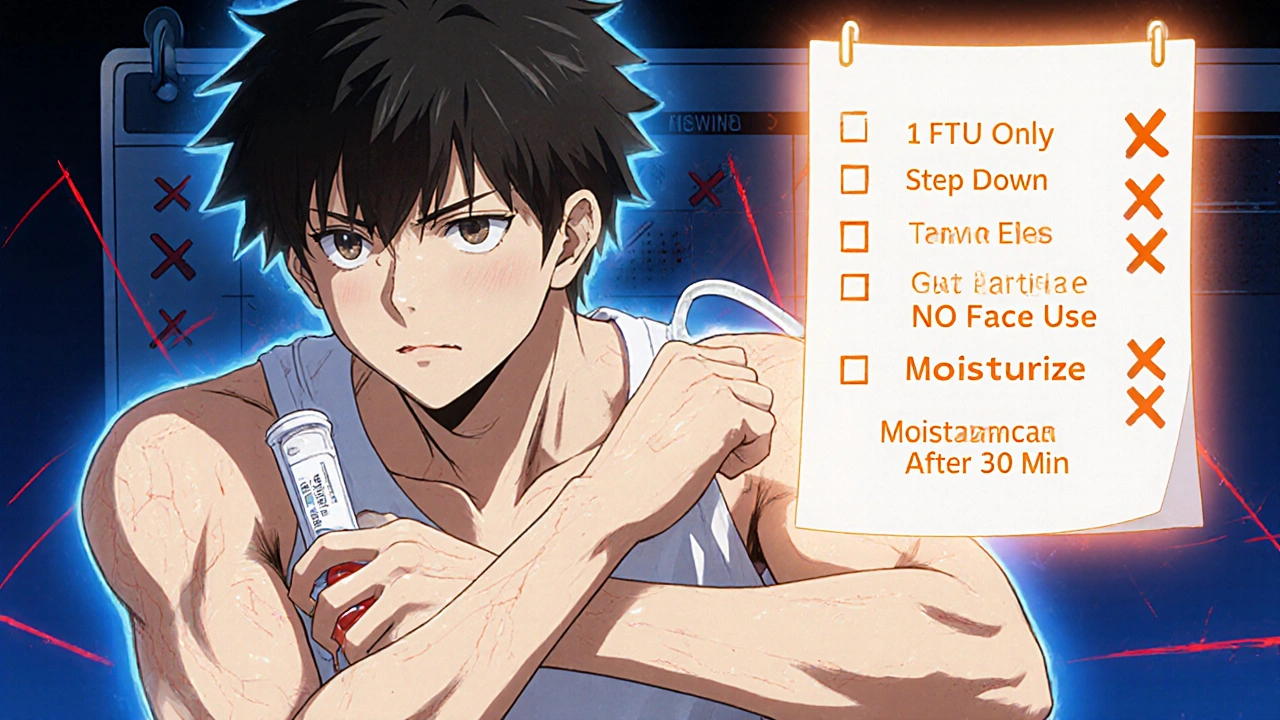
Topical Steroids: How to Use Them Safely and Avoid Skin Thinning
Topical steroids help with eczema and psoriasis but can cause skin thinning if misused. Learn how to use them safely with the right strength, amount, and duration to avoid lasting damage.
- View More
- 18