
Teratogenic Drugs: What They Are and Which Medications Can Harm a Developing Baby
When you’re pregnant or trying to get pregnant, not every medication is safe. Some drugs are teratogenic drugs, substances that interfere with fetal development and can cause physical or functional birth defects. Also known as fetal toxins, these drugs cross the placenta and disrupt how organs, limbs, or the brain form during critical windows of growth. It’s not just about avoiding alcohol or cigarettes—many prescription and even over-the-counter meds carry hidden risks.
Not all birth defects come from genetics. In fact, around 7% of congenital abnormalities are linked to medication exposure during pregnancy. Fetal development, the process by which a baby’s organs and systems form between weeks 3 and 8 is especially sensitive. That’s why drugs like isotretinoin (for acne), valproic acid (for seizures), and certain blood thinners are strictly avoided. Even some antibiotics, antidepressants, and high-dose NSAIDs can be dangerous if taken at the wrong time. The risk isn’t the same across all trimesters—some drugs only cause harm during specific weeks. That’s why timing matters as much as the drug itself.
Birth defects, structural or functional problems present at birth from teratogenic drugs can range from cleft palate and heart malformations to limb shortening or hearing loss. The effects aren’t always obvious right away—some issues, like learning delays or hormonal imbalances, show up years later. That’s why monitoring and reporting suspected drug-related harm is so important. The FDA and CDC track these cases, and doctors rely on databases like MotherToBaby to give accurate advice.
You might think, "I took a pill before I knew I was pregnant"—that’s more common than you’d guess. The good news? Many medications are safe during pregnancy, and stopping the wrong one can be more dangerous than continuing it. The key is knowing what’s risky and talking to your provider before you get pregnant or as soon as you find out you’re expecting. You don’t have to guess. There are clear guidelines, safer alternatives, and tools to help you make smart choices.
Below, you’ll find real, practical guides on how to spot risky medications, understand what doctors look for when prescribing during pregnancy, and how to safely manage conditions like epilepsy, depression, or high blood pressure without putting your baby at risk. These aren’t theoretical warnings—they’re based on patient experiences, clinical studies, and current medical standards. Whether you’re planning a pregnancy, currently expecting, or just want to be informed, this collection gives you the facts you need to protect yourself and your baby.
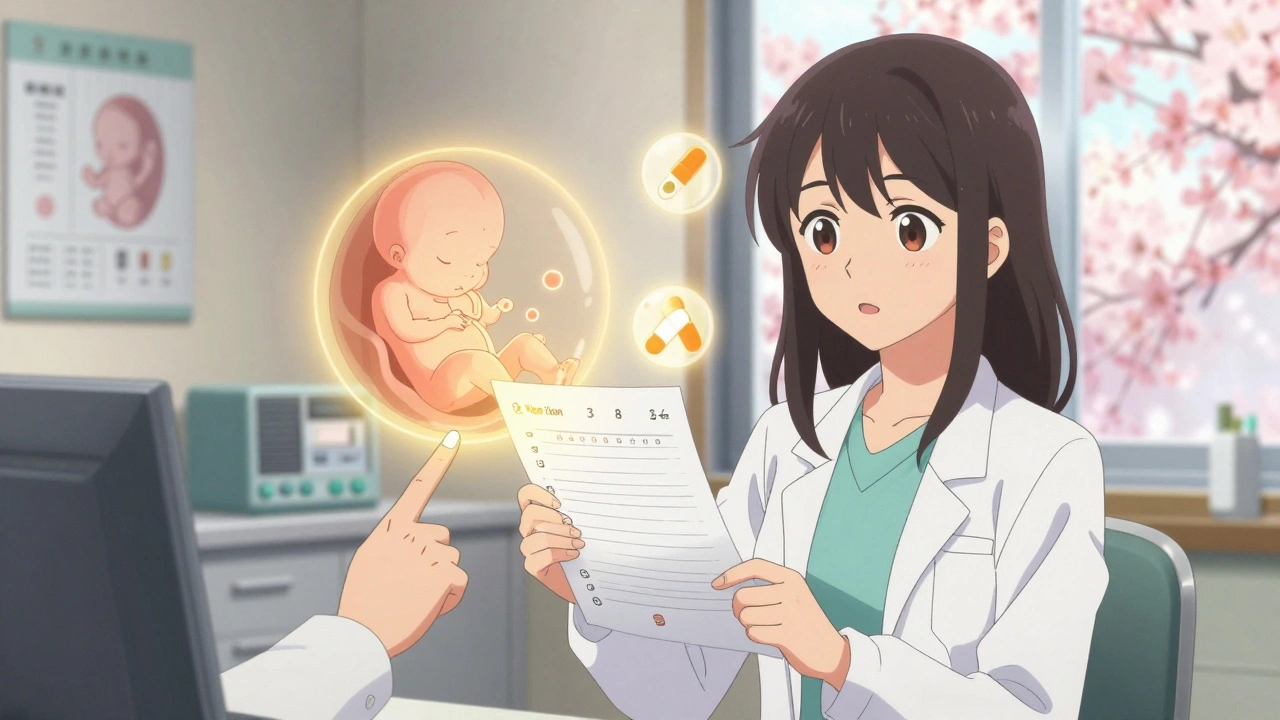
Preconception Medication Counseling: How to Adjust Drugs to Protect Future Babies
Preconception medication counseling helps prevent birth defects by safely adjusting drugs before pregnancy. Learn which medications are risky, how to switch them, and why timing matters more than you think.