Tentative Approval and Litigation: How Generic Drug Makers Wait for Market Entry
When a generic drug company submits an application to the FDA to sell a copy of a brand-name medication, they don’t always get an immediate green light-even if their drug is scientifically perfect. That’s because the system isn’t just about science. It’s about patents, lawsuits, and timing. This is where tentative approval comes in. It’s not final approval. It’s not a license to sell. But it’s the closest thing to a promise that you’re next in line-once the legal roadblocks disappear.
What Tentative Approval Really Means
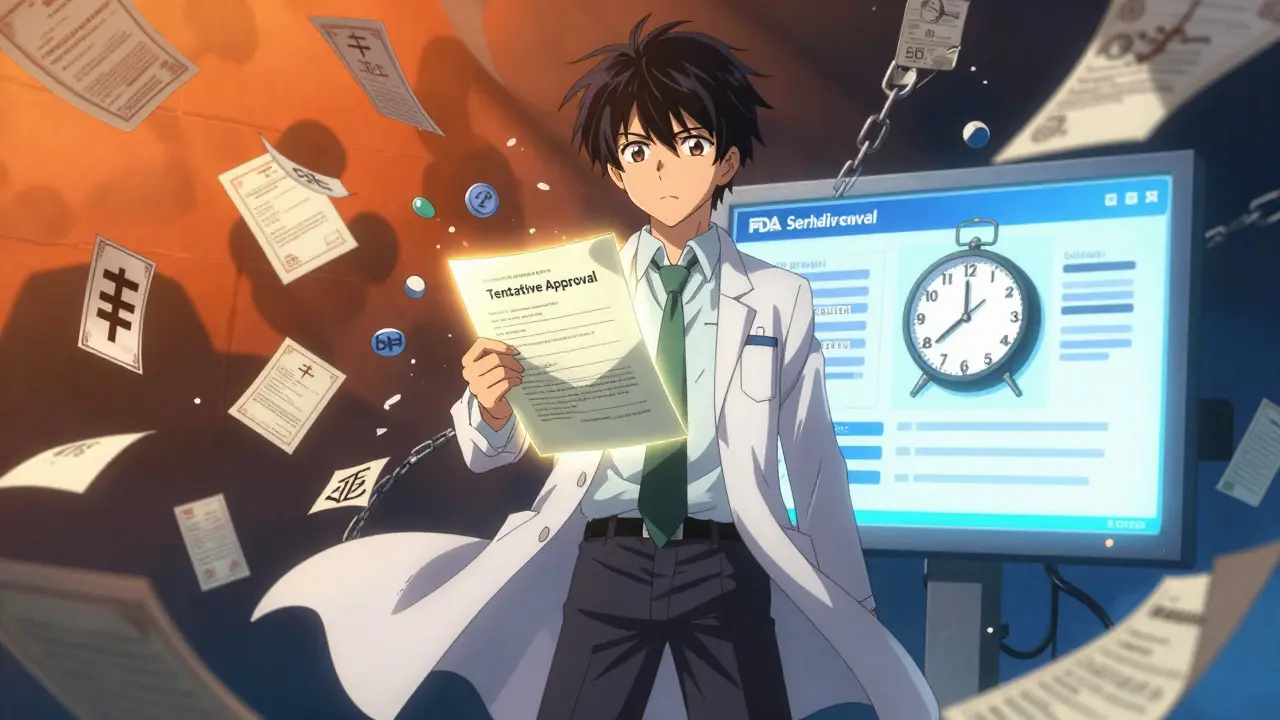
Tentative approval isn’t a loophole. It’s a formal status granted by the U.S. Food and Drug Administration (FDA) to Abbreviated New Drug Applications (ANDAs) that have passed every scientific and manufacturing test. The drug works. The manufacturing is clean. The labeling is correct. Everything checks out. But the FDA can’t give final approval yet because a patent or exclusivity period for the original brand drug hasn’t expired. This process was created by the Hatch-Waxman Act of 1984, a law designed to balance two goals: letting brand-name companies recoup their R&D investment through patents, while also giving generic makers a clear path to compete once those patents expire. Without tentative approval, generic companies would have to wait until the patent expired to even start the FDA review. That could mean years of lost time. With it, they can get their application fully reviewed and ready to go the moment the legal barrier falls. Think of it like getting a building permit before the land is legally yours. You’ve done all the paperwork, passed every inspection, and the city says, “Your plans are approved.” But you can’t start construction until the current owner’s lease ends. Tentative approval is that permit.The Patent Litigation Gamble
The real drama happens when a generic company files a Paragraph IV certification. This is a legal challenge to one or more patents on the brand drug. It’s not just a formality-it’s a declaration of war. The brand company has 45 days to sue. If they do, the FDA automatically puts a 30-month stay on final approval. That means even if the patent expires before 30 months, the generic can’t launch until the court case is over-or until the brand drops the lawsuit. This is where tentative approval becomes strategic. Companies that file Paragraph IV certifications often do so hoping to win 180 days of exclusive market rights. That’s huge. During those 180 days, no other generic can enter. The first filer can capture 65% to 80% of the market. But it’s risky. If the court rules against them, they lose everything. If they settle with the brand for a delayed entry date, they might get paid to wait-but they lose exclusivity. Tentative approval gives these companies a seat at the table. They get their application reviewed and approved on paper. They know exactly what they need to fix. And when the litigation ends, they can move fast.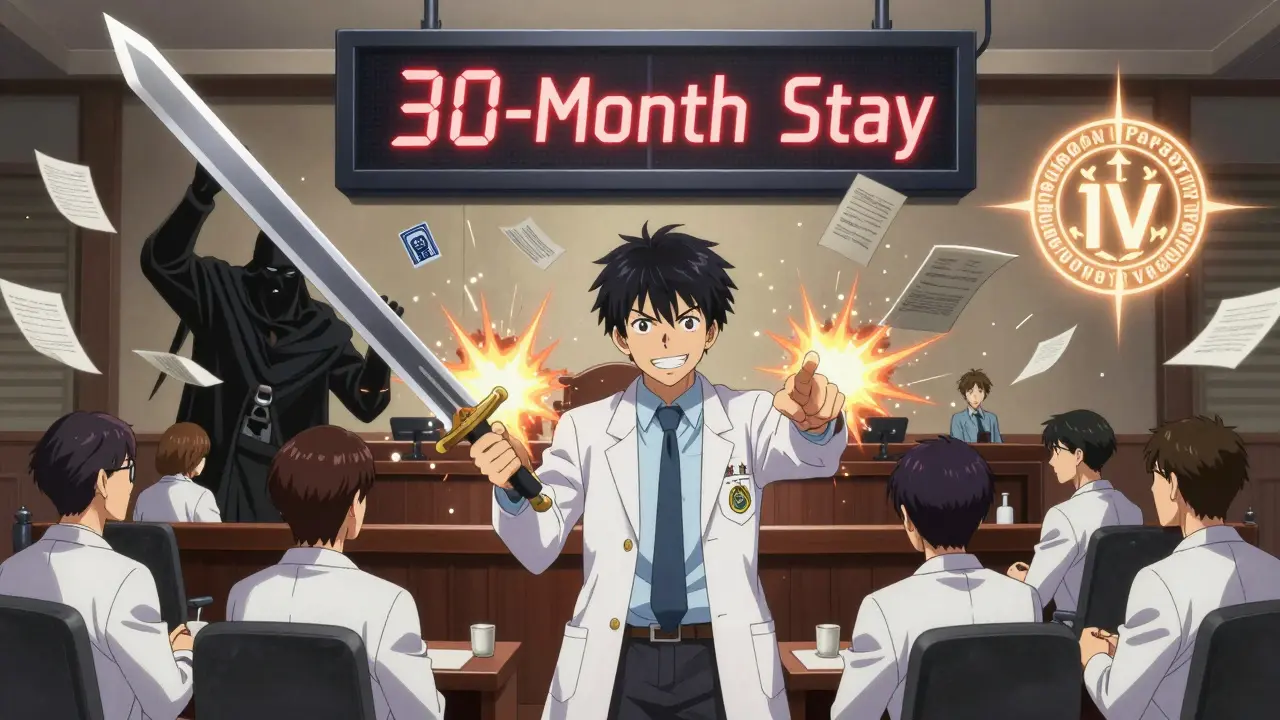
The Waiting Game Isn’t Passive
Here’s the biggest mistake companies make: they think tentative approval means they can sit back. It doesn’t. The FDA requires that any changes to the application-whether it’s a new manufacturing site, a tweaked label, or even a minor packaging update-must be submitted as an amendment. And there are strict deadlines. If you have a tentative approval that’s been pending for over three years, you need to submit a major amendment at least ten months before you want final approval. For minor changes, it’s three months. Miss those windows, and you delay your own launch. One company, Mylan, learned this the hard way with their generic EpiPen. They had tentative approval for 18 months. But they didn’t account for an unexpected pediatric exclusivity extension on the brand drug. When the patent finally expired, the FDA couldn’t approve them because the exclusivity hadn’t run out yet. Result? A six-month delay. Revenue loss? Millions. Teva, on the other hand, nailed it with their generic Januvia. They submitted their final approval request exactly 90 days before the patent expired. The FDA processed it. They launched on day one. No delays. No surprises.What Can Go Wrong
Even with perfect timing, things can slip. Here are the most common pitfalls:- Manufacturing changes: Moving production to a new facility? You need to notify the FDA. If you don’t document it properly, your tentative approval can be revoked. Aurobindo Pharma lost $150 million in revenue because of this in 2021.
- Patent miscalculations: Companies often misread patent expiration dates. The FDA doesn’t guess. They require proof. Aaron Kantor of Goodwin Procter LLP says 30-60 day delays are common because companies didn’t submit the right legal documentation.
- cGMP compliance: If your manufacturing site gets flagged for quality issues during the tentative approval period, your application gets stuck. In 2022, 27% of delayed approvals were due to this.
- Amendment confusion: The FDA doesn’t always agree with companies on what counts as a “minor” vs. “major” change. Over 37% of user complaints on industry forums cite inconsistent FDA interpretations.
Who Uses This System-and Why
Tentative approval isn’t just for big players. But it’s most valuable to companies with deep regulatory teams. The top 10 generic manufacturers each have 15 to 25 products in tentative approval status at any given time. Smaller companies average 2 to 5. Why? Because it’s the only way to compete in the $75 billion U.S. generic market. About 85% of all generic drugs that face patent barriers enter through this route. And with over 1,000 tentative approvals issued each year, it’s clear: this isn’t a side path. It’s the main highway. The FDA has also made improvements. Starting in 2023, they cut the review time for final approval requests from 60-90 days down to just 30 days for minor amendments. That’s a game-changer. It means if you’re ready on day one after patent expiration, you can be on shelves in weeks.What’s Next?
The system is under pressure. As drugs get more complex-biologics, complex generics, inhalers-the patents get more tangled. The FDA’s Science Board warned in 2023 that the current framework might struggle to keep up. There are even legislative proposals, like the “Protecting Drug Patents Act” introduced in March 2023, that could extend patent terms even further. But analysts agree: tentative approval isn’t going away. Barclays says there’s a 95% chance it will still be a key part of the system in 2030. McKinsey predicts a 12% annual increase in tentative approvals through 2027. Why? Because the demand for low-cost generics isn’t slowing. And the legal battles over patents? They’re only getting more sophisticated. The lesson? Tentative approval isn’t the finish line. It’s the starting line. The real race begins the moment you get it. If you’re not actively managing your application, monitoring patent expirations, and submitting amendments on time-you’re not preparing to win. You’re just waiting to lose.What is the difference between tentative approval and final approval?
Tentative approval means the FDA has reviewed your generic drug application and found it scientifically and technically complete-but you can’t sell it yet because of an active patent or exclusivity period. Final approval means you’re legally allowed to market and sell the drug in the U.S. The difference is legal permission, not scientific quality.
How long does it take to go from tentative approval to market entry?
There’s no fixed timeline. It depends entirely on when the patent or exclusivity expires. Some companies wait months; others wait years. The key is submitting your final approval request at least three months before the earliest lawful date. Once submitted, the FDA can approve it in as little as 30 days for minor changes.
Can a generic drug get tentative approval without challenging a patent?
Yes. If the brand drug’s patents have already expired or if the generic company certifies that the patent is invalid or won’t be infringed (Paragraph I, II, or III certifications), the FDA can still grant tentative approval if exclusivity is still in effect. But the most common path-especially for first-movers-is the Paragraph IV certification, which triggers litigation and the potential for 180-day exclusivity.
Why do companies risk filing a Paragraph IV certification?
Because if they win the patent challenge, they get 180 days of market exclusivity-no other generic can enter during that time. That window often means capturing 65% to 80% of the market. The financial upside is massive. But if they lose, they get nothing. It’s a high-stakes gamble.
What happens if a company misses the three-month window to submit a final approval request?
The FDA will still accept the request, but it won’t be processed until after the earliest lawful approval date. This creates a delay. If the patent expired on January 1, and you submit on February 15, you won’t get approved until the FDA has time to review it-possibly pushing your launch into March or April. That’s lost revenue, lost market share, and lost momentum.


About Author