

A Beginner's Guide to Medication Safety for First-Time Patients
Starting a new prescription is often a mix of relief and anxiety. You want the medicine to help you feel better, but you worry about getting it wrong. That fear isn’t unfounded. According to recent data, more than 1.3 million people visit emergency rooms every year in the United States because of adverse drug events. For a first-time patient, the hospital counter feels less like a pharmacy and more like a mystery science lab. But there is good news: simple, consistent habits can slash those risks significantly.
Medication safety isn't just the job of your doctor or the pharmacist behind the counter; it’s a partnership between you and them. Studies show that when patients actively participate in managing their medications, error rates drop by up to 50%. Whether you are dealing with chronic health issues or just trying to recover from a cold, understanding how to handle your prescriptions is one of the best investments you can make for your long-term health.
The Hidden Scale of Medication Risks
It’s easy to assume that if a doctor writes a script, everything will be fine. However, the reality is much more complex. A major study from Johns Hopkins University documented that approximately 7,000 deaths in U.S. hospitals each year were attributed to medication errors. While many medications are safe, certain high-risk drugs, such as anticoagulants (blood thinners) and insulin, account for a third of serious errors.
Why does this happen? Often, it comes down to communication gaps. When patients transition from the hospital to home, or from one specialist to another, information gets lost. In 2023, researchers found that over 22% of mistakes occur right during these transitions of care. If you’re discharged from the ER with a new pill bottle but don’t know exactly what it treats or how it interacts with your morning coffee, you’re setting yourself up for trouble. The goal of medication safety is simply to keep that information clear and accurate.
Mastering the “Six Rights” of Administration
Medication Safety is defined by several core principles verified by leading organizations like the Children’s Hospital of Philadelphia. One of the most practical tools you can use immediately is the “Six Rights” framework. This checklist ensures you aren’t guessing when you reach into your pill organizer.
- Right Patient: It sounds obvious, but in shared households, bottles get mixed up. Always check the name on the label matches yours before taking anything.
- Right Medication: Verify the name against your original prescription slip. Sometimes a brand name changes to a generic version, or the dosage looks similar to another pill you own.
- Right Indication: Know exactly why you are taking it. If you forget later, look at your notes. Taking antibiotics for a virus, for instance, won’t help and can cause harm.
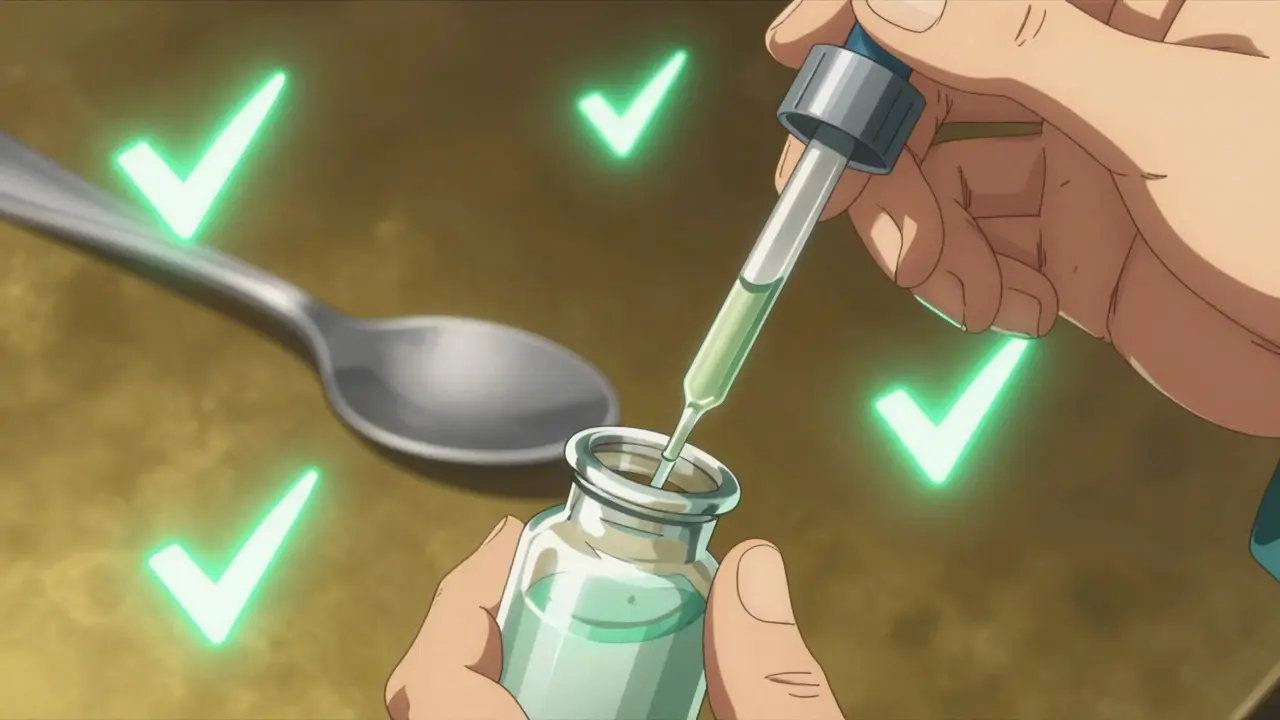
- Right Dose: Household spoons vary wildly in volume, sometimes by 50%. Using them instead of a calibrated device can lead to dangerous overdoses or ineffective under-dosing.
- Right Route: Is it meant to go under your tongue, in your mouth, or straight down? Mixing up sublingual pills with swallowed ones can ruin the effect.
- Right Time: Some meds work around your body’s natural circadian rhythms. Skipping doses or taking them too close together creates peaks and valleys in your blood levels that confuse your system.
By sticking to these six checks, you create a buffer against common mistakes. It takes seconds to do, but that buffer is what stops a small misunderstanding from turning into an emergency room visit.
Managing Storage and Expiration Correctly
You might think your medicine cabinet is a perfect storage unit, but for many drugs, it’s actually a risky environment. Heat and humidity are the enemies of stability. Most oral medications need to stay below 86°F (30°C) in a dry spot. That bathroom cabinet next to your shower? Probably not the best place, especially after a long, hot bath. The heat from steam can degrade the chemicals in your pills faster than expected.
Insulin, for example, has very specific needs. Before you first use a vial, it must be refrigerated between 36-46°F. Once opened, rules change depending on the formulation. Ignoring these specs doesn’t just mean the drug is less effective; it can mean it’s totally useless when your blood sugar spikes.
Then there’s the expiration date issue. Many people hoard old meds, thinking they are fine. However, 18% of medication errors reported come from using expired products. Liquid formulations and antibiotics degrade fastest. They can lose potency within weeks after opening, or even grow bacteria. If a liquid cough syrup smells funny or separates even after shaking, toss it. Your safety isn’t worth the cost savings of $20.
Bridging the Gap: Communicating with Healthcare Teams
The average American takes multiple medications regularly. With that comes a massive risk of interaction. Did you take aspirin yesterday? How about that Vitamin D gummy? These things interact with prescription scripts. You need to bring a complete list to every single appointment. A 2022 study in the Journal of the American Pharmacists Association showed that patients with full lists experienced 27% fewer errors.
Talking to your doctor shouldn’t be passive. In a typical consultation, asking questions can reduce adverse events by 34%. Here are the non-negotiable questions to ask your provider:
- “What should I do if I miss a dose?” Only 22% of patients ask this, yet missing a dose often leads to doubling up the next day, which causes toxicity.
- “How should I store this medication?” Critical for 40% of meds that require special handling.
- “What side effects are normal versus dangerous?” Knowing when to call the clinic versus going to the ER saves time and panic.
If the pharmacist looks rushed, wait for a moment to ask. Trustpilot reviews indicate customers rate pharmacy counseling highly when staff have time to explain, but note that peak hours lead to rushed consultations. Don’t leave the counter until you understand the plan.

Leveraging Technology for Adherence
| Tool Type | Benefit | Limitation |
|---|---|---|
| Pill Organizer | Visual confirmation of daily intake | Risky if refilled incorrectly |
| SMS Reminders | Simple alerts for timing | No record keeping history |
| Dedicated Apps | Barcode scanning and logs | Requires smartphone usage |
| Smart Dispensers | Automated lock/unlock | High cost and setup required |
Tech has improved dramatically. Newer apps like Medisafe allow you to scan barcodes directly from the bottle. This helps verify you have the right strength of pill loaded. Studies found users of these apps saw adherence rates jump by 28%. The biggest win here is consistency; once you set up the schedule, the reminder handles the memory load for you.
Recognizing Red Flags and Side Effects
When you start a new med, your body sends signals. Most side effects are mild-nausea or a slight dizziness-but some signal a real problem. The FDA issues dozens of safety alerts annually regarding interactions. For example, certain antihistamines can worsen sleep apnea, while others increase heart rate irregularities. You need to know what symptoms warrant stopping the med immediately.
Never share your medication with a friend. Even if they have the same symptoms, their physiology could react completely differently. Sharing drugs accounts for 8% of all ED visits related to adverse events. Keep your prescriptions strictly personal. Similarly, if your pill looks different than usual-perhaps a color shift or a logo change-ask your pharmacist. Generic substitutions happen in 90% of prescriptions, so appearance changes are normal, but verifying therapeutic equivalence with your provider is still necessary.
What is the single most important step for medication safety?
Maintaining a complete, updated medication list that includes prescriptions, vitamins, and supplements is the top priority. It allows providers to see the whole picture and prevent dangerous interactions.
Can I use my kitchen spoon to measure liquid medicine?
No. Kitchen spoons vary significantly in volume. Always use the dosing cup, dropper, or syringe that came with the medicine to ensure accuracy.
Is it okay to stop medication if I feel better?
Never stop without consulting your doctor. Abruptly ending certain treatments can cause withdrawal symptoms or rebound illness that requires higher doses to treat later.
Where is the best place to store medication?
Most meds prefer cool, dry places away from direct sunlight and moisture. Avoid bathrooms and cars. Insulin specifically requires refrigeration until opened.
How do I know if a pill has expired?
Check the printed date on the bottle. Also inspect liquids for separation or discoloration and pills for crumbling or cracking, which indicates degradation.



About Author






Honestly nobody reads the labels until something breaks. Most folks just swallow whatever comes in the mail without checking. It is easier to blame the doctor than read the fine print. We live in a society built on blind trust. My own experience says compliance is rarely perfect. People assume the bottle knows what is best for them. You do not see many people asking about interactions until they crash. The whole setup feels like a test we did not study for. Still ignoring the basics leads to hospital visits eventually. It is what it is.
You must recognize the gravity of this situation immediately. Ignoring the protocols is negligent behavior regarding your body. Health requires a disciplined approach to daily intake routines. Do not permit yourself to become complacent regarding dosage amounts. Verification of the label is a mandatory step for safety. Never assume the packaging provides correct information automatically. You are responsible for your own physical maintenance entirely. Failure to verify creates unnecessary risk factors for everyone. Proper communication with providers eliminates significant errors beforehand. Adherence to the schedule maintains therapeutic benefits consistently. Deviation leads to suboptimal physiological outcomes for recovery. Consistency is the foundation of lasting improvement here. Prioritize accuracy above convenience in all decisions. Your safety depends on vigilance alone throughout this process.
Doctors cause most errors anyway.
They definitely want to keep us confused by design choice. Big pharma loves when we get sick enough for repeat prescriptions. It feels like they bury the warning labels on purpose sometimes. The whole industry relies on our ignorance completely. Trust me the fine print hides the scary parts best.
You need to take charge of your medical future now. Waiting for help often leads to dangerous delays in treatment plans. Proactive management prevents catastrophic side effects entirely in most cases. Discipline in routine creates stability in results over time. Always demand clarity from your prescribing physicians directly.
Only the truly educated understand how the system really works. Regular people are simply kept in the dark on purpose intentionally. We must rise above the basic instructions given to the masses. Information suppression is rampant in healthcare circles globally.
People are just so stupid about ther meds honestly. They dont bother looking at the expiration dates ever. Its crazy how many ignore the storage rules completely. I bet half the stuff in thier cabinets is useless junk. You cant trust anyone to watch out for you alone.
Oh sure blame the patient for following standard instructions perfectly. Nobody thinks to question why the cabinet humidity ruins everything else. We all just shrug and hope for the best outcome later. It is funny how quickly sympathy vanishes when mistakes happen though.
We need to remember that medication safety varies wildly across different cultures. In some regions sharing family prescriptions is considered a normal act of kindness. Here it poses significant risks due to differing dosages and sensitivities. We must appreciate the complexity of individual metabolic responses deeply. Every person processes chemicals at a unique rate depending on genetics. Storing drugs correctly ensures they remain potent over time. Heat and moisture destroy the chemical bonds inside the pills rapidly. Bathrooms are terrible spots because steam degrades the formulation quickly. Checking labels constantly confirms you have the right strength loaded. Many people overlook simple tools like dosing cups for liquids. Kitchen spoons lack precision and lead to accidental overdosing easily. Keeping a written log helps track exactly when you last took something. Digital reminders are helpful but still require manual verification. Never stop a course of antibiotics before the full cycle ends. Premature cessation allows bacteria to rebuild resistance against treatment. Consistent habits form the bedrock of long term physical health.
I totally agree with the emphasis on consistency and tracking habits. Tracking builds confidence in managing your own condition effectively. Staying organized keeps fear and anxiety at bay during recovery. You can do this by setting small daily goals initially.