

Rheumatoid Arthritis: Understanding Autoimmune Joint Damage and Biologic Therapy Options
Rheumatoid arthritis isn't just stiff joints or achy hands. It’s your immune system turning against you - attacking the lining of your joints, causing inflammation that doesn’t quit. Unlike osteoarthritis, which comes from wear and tear, rheumatoid arthritis (RA) is an autoimmune disease where your body’s defenses go rogue. And if left unchecked, it can destroy cartilage, erode bone, and leave you struggling to button a shirt or grip a coffee mug.
Every year, about 1.3 million Americans live with RA. Women are two to three times more likely to get it than men, and it usually shows up between ages 30 and 60. But it doesn’t care about age - some people develop it in their 20s or even teens. The real danger? It doesn’t stop at joints. RA can wreck your lungs, increase your heart disease risk, cause anemia, and even trigger dry eyes and mouth from Sjögren’s syndrome. This isn’t just pain. It’s systemic.
How RA Starts and What It Does
RA doesn’t hit like a lightning strike. It creeps in. You might notice morning stiffness that lasts longer than 30 minutes - sometimes over an hour. Your fingers swell symmetrically: both left and right wrists, both knuckles. Joints feel warm, tender, and stiff after sitting still. Over weeks or months, this gets worse. The synovium - the thin membrane that lubricates your joints - becomes inflamed and thickens. That’s when cartilage starts breaking down. Then comes bone erosion. Once that happens, the damage is permanent.
Doctors look for four key signs before diagnosing RA: joint pain and swelling lasting six weeks or more, morning stiffness over 30 minutes, involvement of multiple joints (especially small ones), and positive blood tests for rheumatoid factor (RF) or anti-CCP antibodies. X-rays and MRIs show early signs like soft tissue swelling, then later, narrowing joint spaces and tiny bone holes called erosions. It’s not guesswork. There’s a clear progression.
Why Biologics Are a Game Changer
For decades, methotrexate was the go-to drug. It’s cheap, well-studied, and works for many. But for about half of patients, it’s not enough. That’s where biologic therapies come in. These aren’t traditional pills. They’re targeted drugs made from living cells - proteins designed to block specific parts of your immune system that fuel RA inflammation.
Before biologics, many people ended up with permanent joint damage, disability, or early retirement. Now, they can regain function. The first biologic, etanercept, was approved in 1998. Since then, we’ve seen TNF inhibitors, IL-6 blockers, B-cell depleters, and T-cell modulators enter the game.
Here’s how they work:
- TNF inhibitors (adalimumab, etanercept, infliximab): Block tumor necrosis factor, a major driver of joint inflammation. These are the most commonly prescribed.
- IL-6 inhibitors (tocilizumab): Shut down interleukin-6, which contributes to both joint damage and systemic symptoms like fatigue and anemia.
- B-cell inhibitors (rituximab): Remove B-cells that produce harmful antibodies attacking joints.
- T-cell costimulation blockers (abatacept): Stop T-cells from signaling other immune cells to attack.
When paired with methotrexate, biologics reduce disease activity by 50% or more in about 60% of patients, according to 2022 clinical trial data. That’s a big jump from methotrexate alone, which helps about 40%. For someone who couldn’t walk to the mailbox last year, this can mean walking again.
The Real Cost - Money, Side Effects, and Access
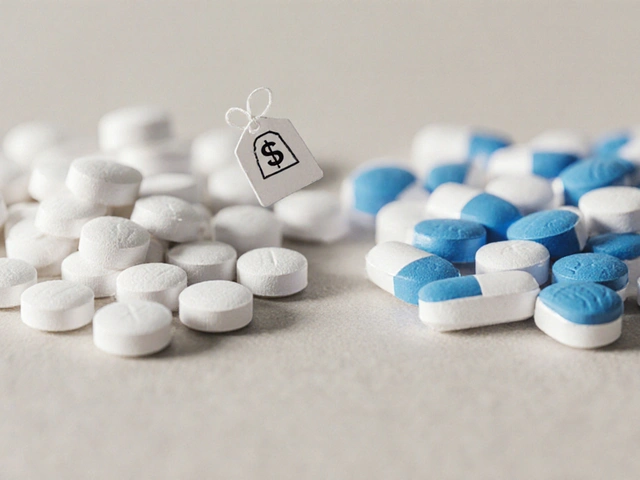
Biologics don’t come cheap. Annual treatment costs range from $15,000 to $60,000. Even with insurance, out-of-pocket expenses can hit $5,000 a year. A 2023 Arthritis Foundation survey found 41% of patients skipped doses or stopped treatment because of cost. That’s not just inconvenient - it’s dangerous. Missing doses increases flare risk and long-term joint damage.
And there’s a trade-off. Biologics suppress your immune system. That means higher risk of serious infections - tuberculosis, pneumonia, fungal infections. Studies show a 1.5 to 2 times greater infection risk compared to traditional DMARDs. The FDA requires all biologics to have a Risk Evaluation and Mitigation Strategy (REMS) program. That means your doctor must explain the risks, and you must sign off on understanding them.
Some patients get injection site reactions - redness, itching, swelling. Others report headaches, nausea, or rare cases of nervous system disorders. There’s also a small but real increase in lymphoma risk. These aren’t common, but they’re real. That’s why regular checkups and blood tests are non-negotiable.
Here’s where things are changing. In September 2023, the first biosimilar to adalimumab (Humira) was approved in the U.S. - adalimumab-adaz. Biosimilars aren’t generics. They’re highly similar versions with no clinically meaningful differences. But they cost 15-20% less. That’s a lifeline for people struggling to afford treatment.

What Works - Real Stories, Real Results
On Reddit’s r/rheumatoidarthritis community, one user wrote: “I couldn’t hold my daughter’s hand for years. After starting tocilizumab in 2022, I could finally hug her without pain.” That’s Sarah K., age 42, from Ohio. She’d lost the ability to play piano due to finger deformities. Within six months of biologic therapy, she was back at the keys.
Another patient, Mark, 58, from Texas, switched from methotrexate to adalimumab after 18 months of failed treatment. His morning stiffness dropped from 90 minutes to under 15. He went from using a cane to hiking again. His story isn’t unique. A 2023 Arthritis Foundation survey found 65% of biologic users reported better ability to do daily tasks - cooking, driving, dressing, working.
But not everyone wins. On Drugs.com, Humira has a 6.5/10 rating. Nearly one-third of users report injection site pain. One in five says side effects made them quit. The key? Patience. It can take 3-6 months to see full effect. And sometimes, you need to try more than one biologic before finding the right fit.
It’s Not Just Medication - Lifestyle Matters Too
Medication alone won’t save your joints. You need movement. The CDC recommends 150 minutes of moderate exercise each week - walking, swimming, cycling. Strength training helps protect joints. Stretching reduces stiffness. Losing just 5-10% of body weight can cut RA activity by 20-30%, especially if you’re overweight.
Smoking? It makes RA worse. Quitting reduces flare frequency and improves drug response. Alcohol in moderation is okay, but heavy drinking interacts badly with methotrexate. Stress? It triggers flares. Mindfulness, yoga, therapy - they’re not luxuries. They’re part of treatment.
Tools help. Apps like MyRA let you track symptoms, meds, and flares. The Arthritis Foundation’s Live Yes! Network offers peer support and free workshops. The CDC’s self-management program cuts pain by 20% in six months - no drugs needed.

What’s Next? The Future of RA Treatment
The RA treatment landscape is evolving fast. In January 2024, the FDA expanded the use of upadacitinib (Rinvoq) to include early RA - meaning it can be used sooner, not just as a last resort. JAK inhibitors like Rinvoq and Xeljanz are now competing with biologics, offering pills instead of injections.
Researchers are working on biomarkers - genetic or blood signals that predict who will respond to which drug. A 2023 study in Nature Medicine used genetic markers to predict methotrexate response with 85% accuracy. Imagine a blood test that tells you, “This drug will work for you.” That’s coming.
New therapies are in phase 3 trials. Selective TYK2 inhibitors like deucravacitinib show promise with fewer infection risks than older biologics. Novel B-cell agents aim for deeper, longer-lasting remission. By 2027, the global RA market could hit $22.3 billion. More options mean better outcomes.
But access remains uneven. Rural patients are 30% less likely to get biologics than urban ones. That’s not just geography - it’s systemic. Fewer specialists, longer travel times, insurance hurdles. If you live outside a major city, advocate for telehealth rheumatology visits. They’re more common now than ever.
Early Action Saves Joints
Dr. Laura Robbins from the Hospital for Special Surgery says it plainly: “The window to prevent joint damage is the first 3-6 months after symptoms start.” Delay diagnosis, and you lose cartilage - forever. That’s why doctors now use a “treat-to-target” strategy. No more waiting to see if it gets worse. Start strong. Hit the target: remission or low disease activity. Check in every 3-6 months. Adjust meds. Don’t settle for “better than before.” Aim for “back to normal.”
If you have joint pain, swelling, and morning stiffness lasting over 30 minutes for more than six weeks - don’t wait. See a rheumatologist. Blood tests, imaging, and early treatment can change your life. Biologics aren’t magic. They’re powerful tools. Used right, they can stop destruction before it starts.
Can rheumatoid arthritis be cured?
No, there’s no cure for rheumatoid arthritis yet. But with early, aggressive treatment - especially using biologics - many people achieve remission, meaning no signs of active disease. In remission, joints stop being damaged, pain fades, and function returns. The goal isn’t just to feel better - it’s to stop the disease from progressing.
Are biologics safe if I have a history of infections?
Not usually. If you’ve had tuberculosis, hepatitis B, or recurring serious infections, biologics may not be safe. Doctors screen for these before starting treatment. You’ll need a chest X-ray and blood tests for latent TB. If you’re at risk, you may need to treat the infection first. Always tell your doctor about past infections - even if they happened years ago.
Do I have to take biologics forever?
Most people stay on biologics long-term, but some can taper off after years of stable remission. This is done carefully under a rheumatologist’s supervision. Stopping too soon often leads to flare-ups. Never stop on your own. If you’re thinking about reducing or stopping, talk to your doctor about monitoring disease activity with blood tests and scans.
Can I use biologics while pregnant?
Some biologics are considered safer than others during pregnancy. TNF inhibitors like adalimumab and etanercept are often continued, especially in the first two trimesters. Others, like rituximab, should be stopped months before conception. Never stop RA meds without consulting your rheumatologist and OB/GYN. Uncontrolled RA during pregnancy raises risks of preterm birth and low birth weight.
What’s the difference between a biologic and a JAK inhibitor?
Biologics are injected or infused proteins that target specific immune molecules like TNF or IL-6. JAK inhibitors - like upadacitinib and tofacitinib - are oral pills that block internal signaling pathways inside immune cells. Both are effective, but JAK inhibitors have a higher risk of blood clots and certain cancers, so they’re often used after biologics fail. The choice depends on your health history, preferences, and insurance coverage.


About Author






Bro, I was diagnosed with RA at 28 and thought my life was over. Then I got on adalimumab. Now I lift weights, play with my kids, and don’t need a cane. It’s not magic - it’s science. Don’t wait until you can’t button your damn shirt. Go see a rheum. 🙌
Just wanted to add that the CDC’s self-management program is underutilized. I did it last year - 15 minutes of daily stretching + tracking symptoms in MyRA cut my flares by 40%. No meds needed. It’s not a replacement, but it’s a solid foundation. Small steps matter.
While the article presents biologics as a panacea, it omits the fact that 30-40% of patients show no meaningful response even after multiple agents. The industry’s narrative of ‘game-changing’ therapies is heavily subsidized by pharmaceutical marketing. Real-world data from the Canadian Rheumatology Association shows only 22% achieve sustained remission after two years of biologic use. Let’s not confuse statistical significance with clinical liberation.
It is imperative to underscore the necessity of early intervention. Delayed diagnosis, particularly in rural and underserved populations, contributes significantly to irreversible joint damage. The window of opportunity for disease modification is narrow and non-renewable. Furthermore, the integration of telehealth rheumatology services has demonstrated comparable outcomes to in-person visits in peer-reviewed literature, as published in Arthritis Care & Research, 2023.
Oh wow, another ‘biologics are magic’ article. Let me guess - sponsored by AbbVie? 🤡 I’ve been on Humira for 5 years. My bank account is in ruins, my immune system is basically a deflated balloon, and I still can’t open jars. But hey, at least I can ‘hug my daughter’ now. Congrats, I guess? 😘
There’s a quiet revolution happening in RA care that isn’t being talked about enough: biosimilars. In the UK, we’ve seen adoption rates climb to 68% since 2022. The clinical equivalence is well-established. The cost savings are transformative - not just for patients, but for entire public health systems. It’s not about cheaper drugs. It’s about fair access.
wait so biologics are like… expensive antibiotics for your immune system? lol i thought they were like, magic pills. also i got the humira shot once and it felt like a wasp stung my stomach. not worth it. maybe i should just drink more green tea? 🤔
The philosophical dilemma of RA treatment lies not in the pharmacology, but in the existential negotiation between autonomy and dependency. To submit to a biologic regimen is to surrender one’s biological sovereignty to a corporate-medical apparatus. Yet to forgo it is to accept the slow erosion of selfhood through pain and incapacity. We are not merely treating joints - we are negotiating the boundaries of human agency in an age of mechanized healing.
Look, I’ve been living with this for 17 years. I’ve tried everything: methotrexate, steroids, acupuncture, gluten-free diets, cryotherapy, even that weird Russian herbal tea that tasted like burnt tires. Biologics didn’t ‘save’ me - they bought me time. And time is everything. You think this is about pain? No. It’s about the dignity of being able to stand up without help. To hug your kid without crying. To hold a coffee cup without shaking. That’s not treatment. That’s reclaiming your life. And yeah, it costs a fortune. But what’s the price of never being able to turn the page of a book again? I’d sell my soul for that. And I did.
As a Filipino-American with RA, I want to say: community matters. My local church group organized free transportation to my rheumatologist. We shared meal prep tips for low-sodium, anti-inflammatory meals. I didn’t feel alone. That’s as vital as any drug. We need more of this - not just in the U.S., but globally. Healing isn’t just clinical. It’s cultural.
So basically, we’re paying $50k a year to stop our bodies from attacking themselves… by suppressing our bodies? That’s like paying someone to stop punching you… by giving them a bigger punch. 🤷♂️
Actually, the real win isn’t the biologics - it’s the fact that we’re finally talking about RA like it’s a real disease, not just ‘old lady arthritis.’ When I told my boss I couldn’t lift boxes because my wrists were shredded, he didn’t laugh. He got me a standing desk. That’s progress. Also, biosimilars are a godsend. My insurance finally covered my adalimumab-adaz. I cried. Not from pain. From relief.