Manufacturing Biosimilars: Why Complex Production is the Biggest Hurdle
Imagine trying to bake a world-class gourmet cake without the recipe, a list of ingredients, or even a glimpse of the chef's technique. You can taste the final product, but you have to reverse-engineer every single layer, cream, and crumb just by analyzing the result. That is essentially what happens in biosimilar manufacturing. Unlike a standard generic drug, where a chemist can simply replicate a known formula, biologics are grown in living cells. This means the manufacturing process isn't just a way to make the drug-the process *is* the drug.
Because of this, biosimilars aren't exact copies. They are "highly similar" versions of a reference biologic. The gap between "identical" and "highly similar" is where the most intense engineering challenges live. If a company fails to mirror the reference product's molecular fingerprint, the drug might not work or, worse, could trigger an immune response in the patient.
The "Process Defines the Product" Problem
In the world of traditional generics, you deal with small molecules. If you want to make a generic version of a common pill, you follow a chemical blueprint. But Biosimilars is a type of biologic medical product that is highly similar to an already approved reference biologic, but not identical due to its complex molecular structure.
When you use living cells to produce a protein, those cells are temperamental. They react to every tiny change in their environment. This creates a scenario where the manufacturing process itself determines the critical quality attributes of the final medicine. If you change the temperature by a fraction of a degree or shift the pH level slightly, the resulting protein might fold differently or attach sugars in a way that changes how the drug behaves in the human body.
The Nightmare of Glycosylation Patterns
One of the most technical headaches for engineers is managing Glycosylation is the process where carbohydrate structures, or glycans, are attached to the protein backbone of a biologic drug. Think of these sugar chains as the "finishing touches" on a protein. They aren't just for show; they dictate how long the drug stays in the bloodstream and how well it binds to receptors.
The problem? Glycosylation is incredibly sensitive. It can be swayed by the type of cell line used, the specific nutrients in the culture media, or even the amount of oxygen dissolved in the liquid. If a biosimilar developer doesn't match the glycosylation profile of the original drug, the patient's immune system might see the drug as a foreign invader and attack it, rendering the treatment useless or dangerous.
| Feature | Small-Molecule Generics | Biosimilars |
|---|---|---|
| Structure | Simple, well-defined | Large, complex proteins |
| Production Method | Chemical synthesis | Living cell cultures |
| Similarity | Identical copy | Highly similar (not identical) |
| Process Impact | Low (standardized) | High (Process defines product) |
Scaling Up: From the Lab to the Factory
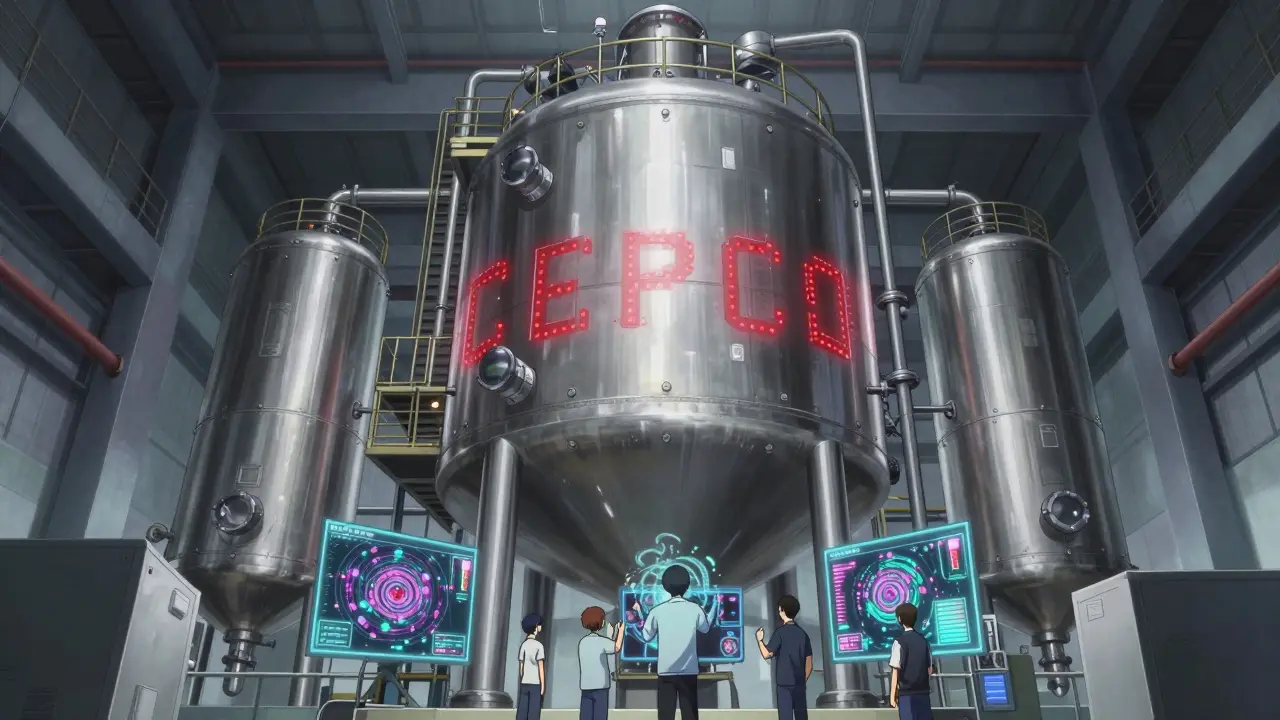
Success in a small lab beaker doesn't always translate to success in a 10,000-liter tank. This is the "scale-up" trap. In a small vessel, it's easy to keep the temperature uniform and the oxygen levels steady. In a massive Bioreactor is a large vessel or container in which biological reactions occur, used to grow cells that produce biologic drugs, physics takes over.
Mixing efficiency drops, and "dead zones" can form where cells don't get enough nutrients. If the cells in the middle of the tank feel different from the cells at the edge, they will produce proteins with different attributes. Manufacturers have to painstakingly adjust stirring speeds and aeration rates to ensure the cells "feel" the same environment regardless of the scale. This often requires huge investments in infrastructure, as larger tanks need specialized halls and more staff to manage the increased risk of contamination.
Cold Chain Risks and Batch Consistency
Once the drug is produced, the challenge doesn't end. Biologics are fragile. They are sensitive to light, shaking, and-most importantly-temperature. This necessitates a strict Cold Chain is a temperature-controlled supply chain used to preserve the stability of biologic products from production to the patient.
A single failure in the cold chain, like a refrigeration unit failing during transport, can denature the proteins, effectively destroying the batch. Because the production process is so expensive, a broken bag or a temperature spike doesn't just waste a few vials; it can lead to millions of dollars in losses. Furthermore, achieving batch-to-batch consistency is a constant struggle. In chemical synthesis, you get the same result every time. In biologics, you are managing a living system that has its own inherent variability.
Navigating the Regulatory Maze
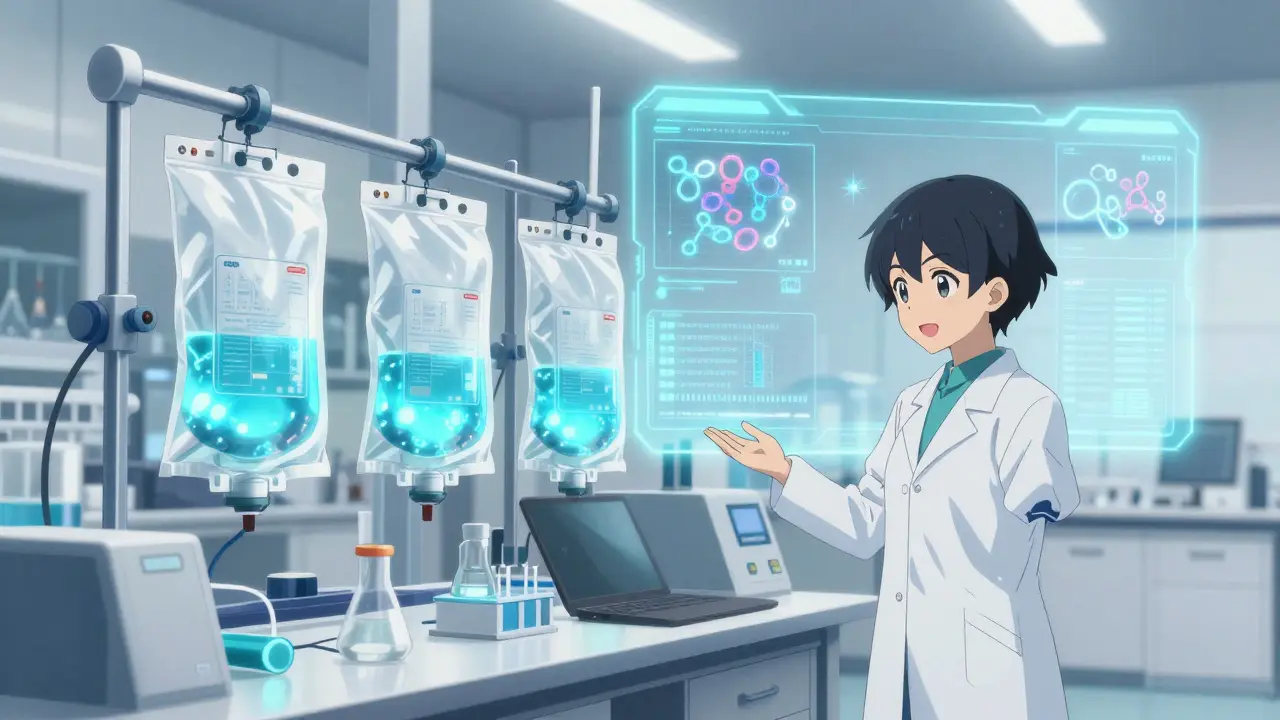
Proving a biosimilar is "similar enough" is a massive regulatory undertaking. Agencies like the FDA don't just want to see that the drug works; they want to see the raw data on the Critical Quality Attributes is the physical, chemical, biological, or microbiological properties that should be within an appropriate limit to ensure product quality (CQAs).
Developers must use advanced analytical techniques to prove that their version of the protein folds exactly like the original. This requires state-of-the-art labs and an immense amount of data. If the regulatory guidelines change-which they often do-a manufacturer might find themselves needing to redo months of stability testing or clinical trials, adding years to the timeline and millions to the budget.
Modern Solutions: Automation and Single-Use Tech
To fight these complexities, the industry is moving away from old-school stainless steel tanks. Many are adopting Single-Use Technology is the use of disposable plastic components in bioprocessing to reduce contamination and cleaning time. These are essentially high-tech, sterile plastic bags that act as bioreactors. They eliminate the need for grueling cleaning validation between batches and drastically reduce the risk of cross-contamination.
Automation and Process Analytical Technology (PAT) are also game-changers. Instead of taking a sample to a lab and waiting hours for results, PAT allows engineers to monitor the cells in real-time. They can tweak the pH or nutrient feed instantly to keep the glycosylation on track. Some companies are even integrating AI and machine learning to predict when a batch might go off-course, allowing them to intervene before the product is ruined.
Why aren't biosimilars just called generics?
Generics are made from simple chemical formulas that can be copied exactly. Biosimilars are made from living cells, which are too complex to copy perfectly. Because they are "highly similar" but not identical, they require different regulatory paths and manufacturing processes than traditional generics.
What is the biggest risk in biosimilar production?
The biggest risk is variability. Because biological systems are inherently unstable, any slight change in the production environment-like temperature or oxygen levels-can alter the protein's structure, potentially making the drug ineffective or causing an adverse immune reaction in patients.
How does single-use technology help?
Single-use technology replaces permanent stainless steel equipment with disposable sterile bags. This removes the need for complex cleaning and sterilization processes, reduces the risk of contamination, and allows factories to switch between different products much faster.
Why is glycosylation so important?
Glycosylation refers to the sugar chains attached to the protein. These chains act like a passport for the drug; they tell the body how to process the medicine, how long it should last in the blood, and whether the immune system should accept it or attack it.
What happens if the scale-up process fails?
If scale-up fails, the drug produced in large tanks may have different quality attributes than the version used in clinical trials. This can lead to regulatory rejection or an inconsistent product that doesn't provide the same therapeutic effect for the patient.


About Author