Opioids and Sleep Apnea: Understanding Respiratory Depression Risks
Respiratory Risk Factor Checker
Disclaimer: This tool is for educational purposes only and is not a medical diagnosis. If you are experiencing difficulty breathing, seek emergency medical attention immediately.
Check Your Risk Factors
Risk Analysis
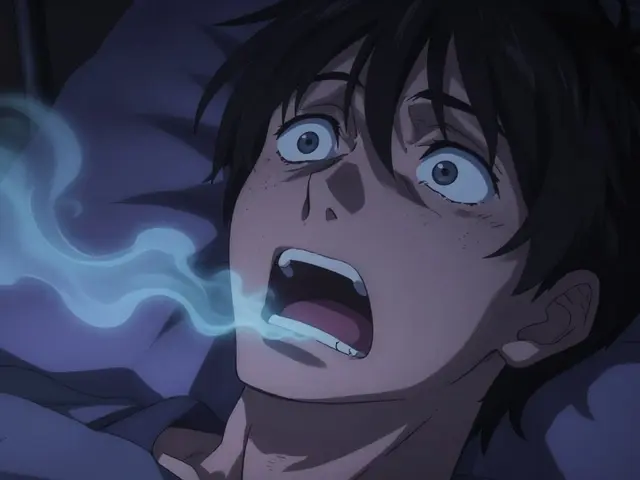
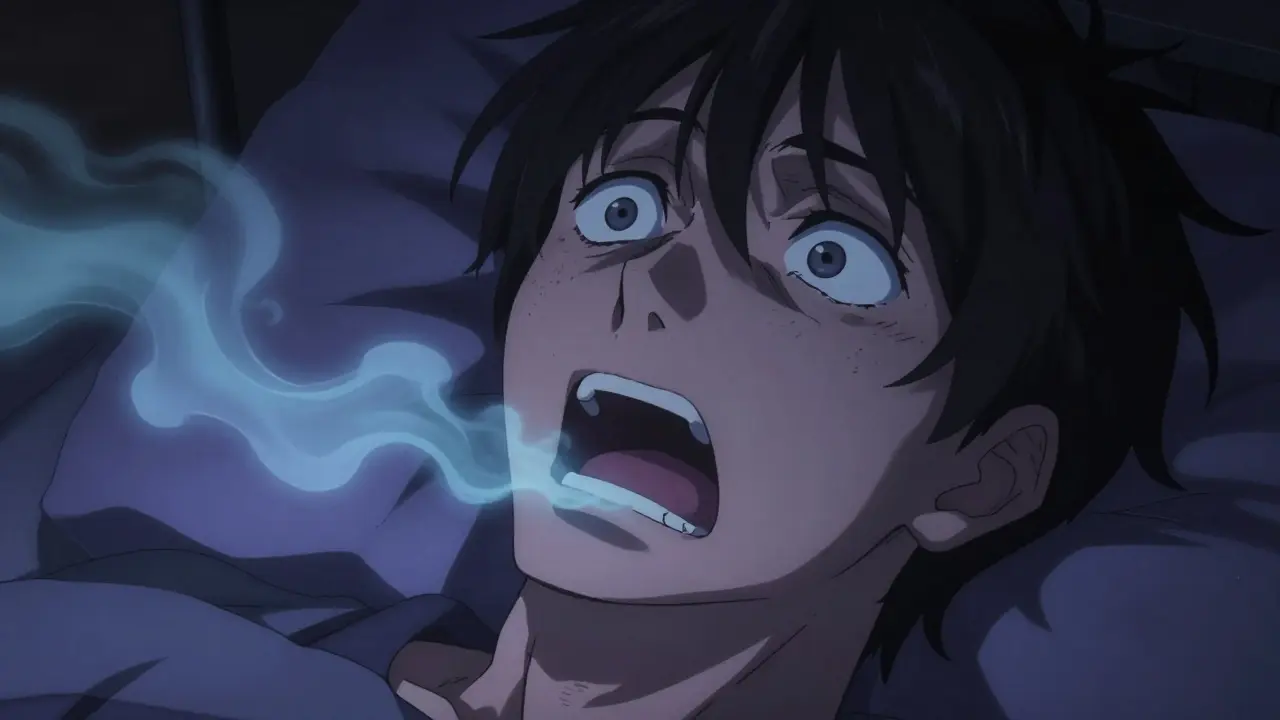
Taking a painkiller to get some rest sounds like a good idea, but for some, it can lead to a dangerous paradox: the very medication meant to help you sleep might actually stop you from breathing. When you mix opioids and sleep apnea, you aren't just dealing with snoring or tiredness. You're dealing with a biological "off switch" for your lungs. If you or a loved one are using prescription pain meds and waking up gasping for air, it's time to understand what's happening in your brain and airway.
| Effect | What Happens | Danger Level |
|---|---|---|
| Respiratory Rate | Breathing slows down significantly | High |
| Airway Stability | Throat muscles relax, causing collapse | Moderate to High |
| CO2 Response | Brain ignores the need for more oxygen | Critical |
The Science of Opioid-Induced Respiratory Depression
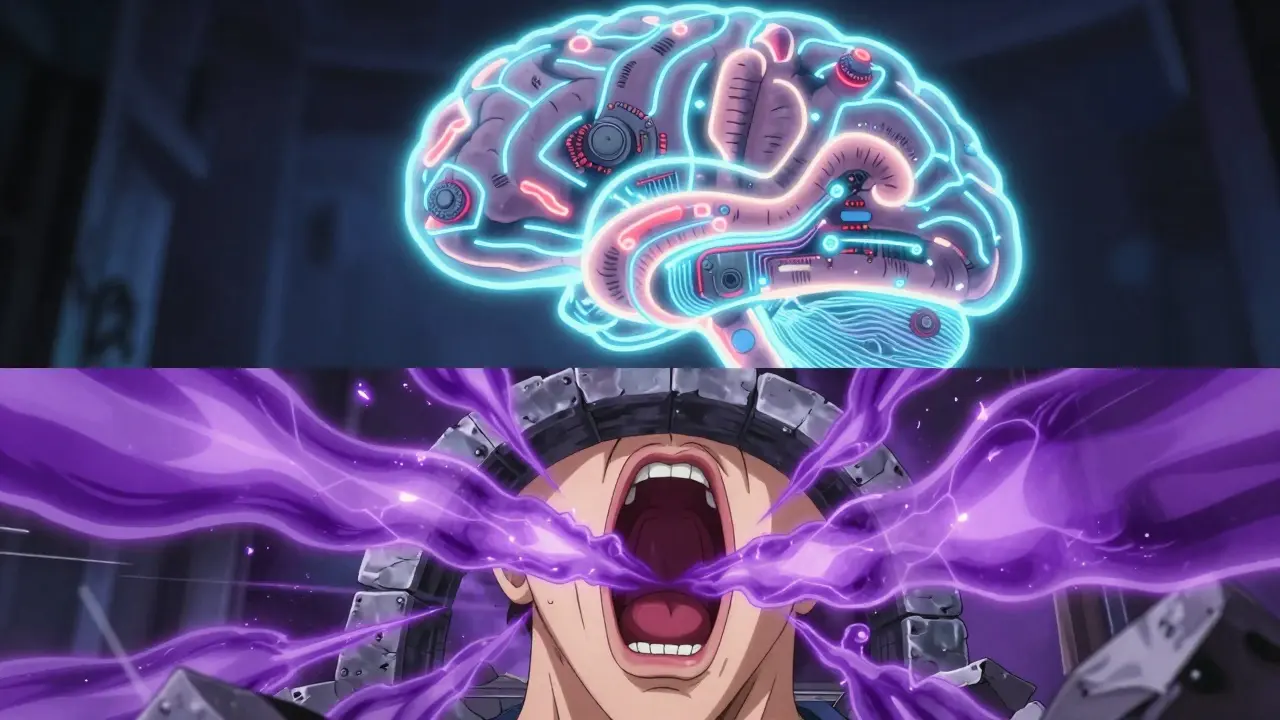
To understand why this happens, we have to look at the brainstem. Your body has a built-in alarm system that tells you to breathe when carbon dioxide levels get too high. Opioid-Induced Respiratory Depression (OIRD) happens when medications like morphine or fentanyl hijack this system. They bind to mu-opioid receptors (MOR) located in critical areas like the pre-Bötzinger complex and the parabrachial complex.
Think of these receptors as dimmer switches. When an opioid flips the switch, it doesn't just dull pain; it suppresses the drive to breathe. Recent research from Harvard Medical School shows that while the pre-Bötzinger complex helps set the basic rhythm of your breath, the parabrachial complex is more like the emergency brake. If opioids over-stimulate this area, it can lead to prolonged expiration-meaning you breathe out, but your brain "forgets" to tell you to breathe back in. This is how a therapeutic dose can accidentally slide into a life-threatening apnea event.
Why Sleep Apnea Makes Everything Worse
If you already have sleep apnea, you're already playing a dangerous game with your oxygen levels. Whether it's Obstructive Sleep Apnea (where the throat closes) or Central Sleep Apnea (where the brain misses a beat), opioids act as a force multiplier for these risks.
Opioids don't just slow your breathing; they relax your muscles. Specifically, they suppress the output to the genioglossus muscle-the main muscle that keeps your upper airway open. In some models, this muscle output drops by 40-60%. If your airway is already prone to collapsing, this extra relaxation is like taking the supports out of a shaky building. You end up with a "double hit": your brain is less likely to trigger a breath, and your throat is more likely to be blocked when it finally tries.
Spotting the Warning Signs
The scary part about respiratory depression is that it can be subtle until it's too late. Many people think a pulse oximeter is the gold standard for safety, but oxygen levels often stay normal until you've reached a critical point of hypoventilation. By the time the alarm goes off, the crisis is already happening.
Instead, look for these behavioral and physical red flags:
- Waking up abruptly, gasping for air or choking.
- Extreme daytime sleepiness that doesn't go away with more sleep.
- Morning headaches caused by a buildup of carbon dioxide in the blood.
- Unrefreshing sleep, regardless of how many hours you spent in bed.
- Slow, shallow breathing during sleep (sometimes called "Cheyne-Stokes breathing").
The Danger of "The Cocktail": Opioids and Benzodiazepines
One of the most critical mistakes people make is mixing opioids with other sedatives. If you're taking a painkiller along with a benzodiazepine (like Xanax or Valium) or a sleep aid, you are exponentially increasing your risk. Data from the CDC suggests that combining these CNS depressants can increase the risk of a fatal overdose by 300-500%.
This happens because these drugs attack the respiratory system from different angles. While the opioid suppresses the brain's drive to breathe, the benzodiazepine further relaxes the muscles and dulls the arousal response-meaning you're less likely to wake up when you start suffocating. It's a recipe for disaster that turns a manageable sleep disorder into a medical emergency.
Managing the Risk: What You Can Do
If you have chronic pain and sleep apnea, you don't have to choose between agony and suffocation. There are ways to manage both, but it requires a proactive approach and an honest conversation with your doctor.
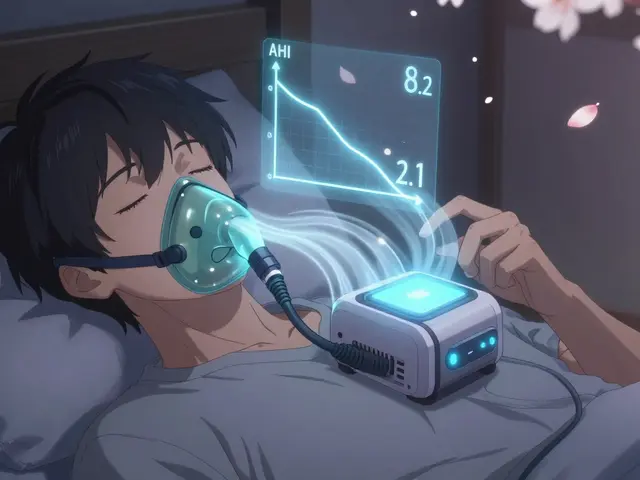
First, if you are on long-term opioid therapy, a baseline sleep study is non-negotiable. You need to know if you're a "silent" apnea sufferer before the meds make it worse. Second, talk to your provider about the lowest effective dose. There is a clear dose-dependent relationship here: patients on high doses (over 100 morphine milligram equivalents daily) show significantly higher apnea-hypopnea index (AHI) values than those on lower doses.
For those with severe apnea, using a CPAP machine is vital. By keeping the airway mechanically open, you remove one of the two main dangers. Additionally, having Naloxone on hand is a life-saving precaution. While it's usually thought of as an overdose reversal agent, it can actually help reduce airway collapse in some scenarios, though it's primarily used for acute emergencies.
The Future of Pain Management
The medical world is moving toward "biased agonists"-new types of medications that target pain but leave the respiratory centers alone. Early research shows some compounds can provide 70-80% of the pain relief of traditional opioids while causing only a fraction of the respiratory depression. We're also seeing a shift toward genetic screening. In the near future, a simple test of the OPRM1 gene could tell your doctor if you're naturally more susceptible to breathing failure, allowing them to tailor your dose safely.
Can opioids cause sleep apnea if I didn't have it before?
Yes. Opioids can induce "central sleep apnea," where the brain temporarily forgets to signal the muscles to breathe. They can also worsen obstructive apnea by relaxing the muscles in the throat, making the airway collapse even in people without a prior history of the condition.
Is it safe to use a CPAP machine while taking opioids?
Generally, yes, and it is often recommended. CPAP helps prevent the obstructive part of sleep apnea. However, it cannot fix "central" apnea caused by the drug's effect on the brainstem. You should still be monitored by a doctor to ensure your dosage isn't causing dangerous drops in respiratory rate.
How does Naloxone help with respiratory depression?
Naloxone is an opioid antagonist. It essentially knocks the opioid molecules off the mu-receptors in the brain and blocks them from re-attaching. This quickly restores the brain's drive to breathe and can reduce the collapse of the upper airway.
Why are some people more sensitive to these effects than others?
Genetic differences, particularly polymorphisms in the OPRM1 gene, play a huge role. Additionally, about 10-15% of people have a naturally lower ventilatory response to carbon dioxide, meaning their "alarm system" is already quieter than average, making them much more vulnerable to opioids.
Can I just lower my dose to fix the breathing issues?
Lowering the dose can reduce the risk, but you should never do this without medical supervision. Abruptly changing opioid doses can lead to withdrawal or uncontrolled pain. Work with your doctor to find the "sweet spot" where pain is managed and breathing remains stable.
Next Steps for Patients and Caregivers
If you're worried about these interactions, start with a simple log. Track your daytime sleepiness and any reports from a partner about your breathing patterns. If you notice "pauses" in breathing, schedule a sleep study immediately.
For caregivers, the best thing you can do is learn the signs of hypoventilation. If a patient's breathing becomes very slow, shallow, or irregular, and they are difficult to wake up, this is a medical emergency. Do not try to wake them by shaking them vigorously; instead, administer Naloxone if available and call emergency services immediately.


About Author