
Hormone Replacement Therapy: Understanding Medication Interactions
HRT Medication Interaction Checker
Select your HRT delivery method and the medications or supplements you are taking to see potential interactions based on the article content.
Analysis Results:
Starting Hormone Replacement Therapy is a medical treatment used to replace declining endogenous hormones, typically estrogen and progestogen, to manage menopausal symptoms. While it can be a lifesaver for those struggling with hot flashes and mood swings, it doesn't exist in a vacuum. If you are already taking other medications, adding hormones to the mix can change how those drugs work in your body-sometimes making them less effective or increasing side effects.
The tricky part is that many of these interactions aren't discovered in big clinical trials. Instead, they often come from "pharmacovigilance"-basically, doctors reporting real-world cases where a patient's condition suddenly changed after starting HRT. Because of this, staying informed and being honest with your doctor about every supplement and pill you take is the only way to stay safe.
Key Takeaways for HRT Users
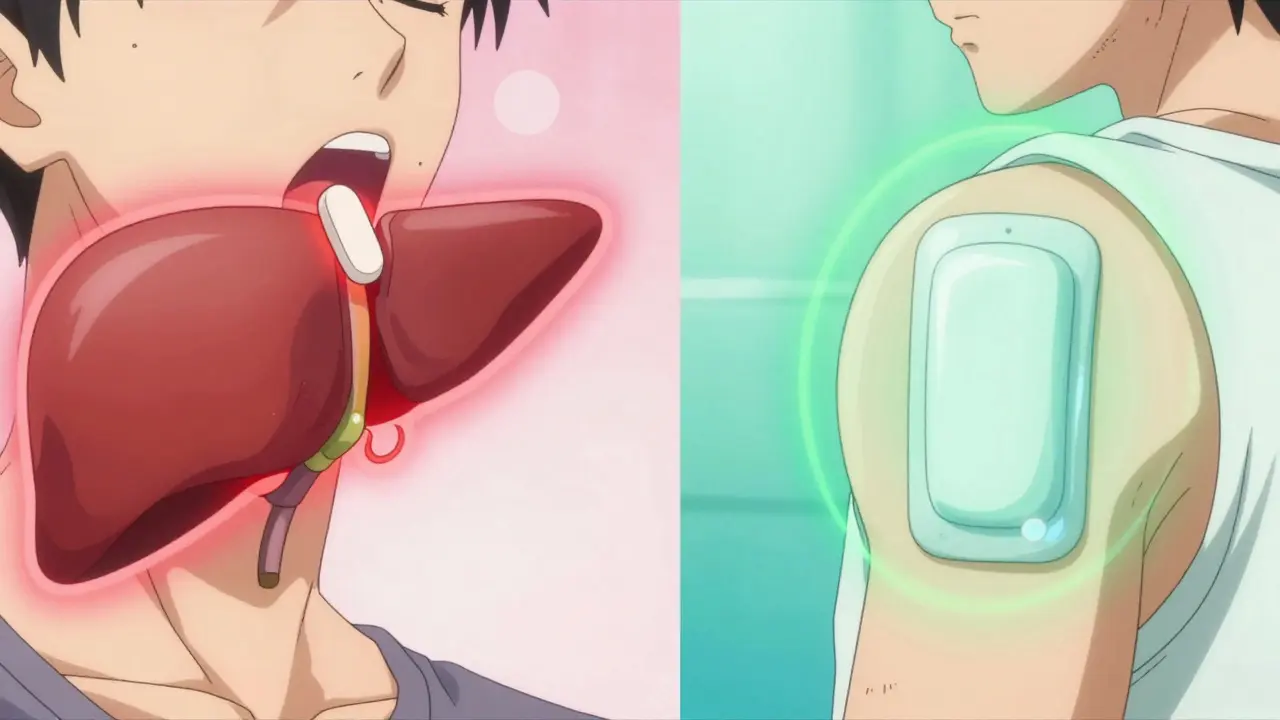
- Delivery Method Matters: Transdermal patches generally have fewer interactions than oral tablets because they bypass the first-pass metabolism in the liver.
- Epilepsy Alert: Certain anticonvulsants, specifically lamotrigine, can see a significant drop in blood levels when combined with estrogen.
- Steroid Interference: HRT can mask or alter cortisol levels, making it difficult to monitor hydrocortisone replacement therapy.
- Herbal Hazards: Common supplements like St. John's wort can reduce the effectiveness of HRT.
The Science of How HRT Interferes With Other Drugs
To understand why these interactions happen, you have to look at the liver. Most medications are broken down by enzymes. When you take Estrogen, it can act like a volume knob for these enzymes, either turning them up or down. For example, estradiol can increase the expression of an enzyme called UGT1A4. If you're taking a drug that relies on that specific enzyme to be processed, the enzyme might work too well, clearing the medication out of your system before it has a chance to work.
This is exactly what happens with Lamotrigine, a medication used for epilepsy and mood stabilization. When some women start combined HRT, their lamotrigine levels can drop significantly. In one documented case, a woman noticed her depressive symptoms returning after five months of HRT; once she stopped the hormones, her medication levels stabilized again.
Another mechanism involves proteins in the blood. Female hormones increase the production of corticosteroid-binding globulin (CBG) in the liver. This protein grabs onto cortisol. If you are taking Hydrocortisone for adrenal insufficiency, HRT can make your total blood cortisol levels look nearly double what they actually are, even though the "free" (active) cortisol remains the same. This can lead to dangerous dosing errors if a doctor relies on standard blood tests to adjust your steroids.

Comparing Delivery Methods: Patches vs. Pills
Not all HRT is created equal when it comes to interactions. If you're worried about how your hormones will affect other meds, the way you take them is a huge factor. Oral tablets go straight to the liver, where they interact with the most enzymes. Transdermal patches, however, absorb through the skin and enter the bloodstream more directly.
| Feature | Oral Tablets/Capsules | Transdermal Patches/Gels |
|---|---|---|
| Liver First-Pass Metabolism | High | Low |
| Risk of Enzyme Induction | Significant | Reduced |
| St. John's Wort Impact | May reduce HRT effectiveness | Less likely to be affected |
| General Interaction Profile | More documented interactions | Generally safer for multi-drug users |
High-Risk Medications and Supplements
While many drugs are fine, a few categories require extreme caution. Drugs with a "narrow therapeutic index" are the most dangerous. These are medications where the difference between a dose that works and a dose that is toxic (or useless) is very small.
Anticoagulants and Anticonvulsants: Because HRT can influence blood clotting factors and the metabolism of seizure meds, these require close monitoring. If you're on blood thinners, the risk of clots is already a concern with combined HRT, and interactions can complicate this further.
Corticosteroids and Testosterone: Combining high doses of hydrocortisone with testosterone can lead to fluid retention. If you start noticing suddenly swollen ankles, feet, or hands, it's a red flag that your doses may need adjusting.
Herbal Supplements: Just because it's "natural" doesn't mean it's safe. St. John's wort is a well-known offender that can make HRT less effective. There is also some evidence that resveratrol-found in some supplements-has a chemical structure similar to synthetic estrogens, which could potentially interfere with how your body responds to therapy. Even rosemary might speed up how fast your liver deactivates estrogen, though the evidence here is weaker.
Safety Protocols: When to Pause Your Therapy
In some cases, HRT isn't just about daily interactions; it's about timing. Because estrogen increases the risk of blood clots (deep vein thrombosis), there are specific times when you must stop your medication entirely.
If you are scheduled for surgery or a long period of bedrest, the general rule is to stop estrogen and progestin at least 4 to 6 weeks prior. This is especially critical if you have other risk factors such as:
- Smoking habits
- High blood pressure or high cholesterol
- Diabetes or Lupus
- A history of stroke or heart attack
Once you start HRT, you should also be on high alert for "emergency" symptoms. While not always a drug interaction, these can be signs of a cardiovascular event triggered by the therapy: sudden severe headaches, loss of vision, speech problems, or severe vomiting.
Managing Your Treatment Plan
The best way to avoid a medication mishap is to create a comprehensive list. Don't just list your prescriptions; include your daily vitamins, that herbal tea you drink every morning, and any over-the-counter painkillers.
If you are starting HRT and you're on a medication for a chronic condition (like epilepsy or Addison's disease), ask your doctor for a baseline blood test of that medication's level. Then, check it again a few weeks after starting HRT. This is the only way to see if the hormones are "stealing" the effectiveness of your other drugs before you actually start feeling the symptoms of the disease returning.
Will HRT make my other medications stop working?
Not necessarily, but it can. Estrogen can increase the activity of certain liver enzymes (like UGT1A4), which may clear some drugs-like lamotrigine-out of your system faster, effectively lowering the dose in your blood.
Are patches safer than pills for people taking other meds?
Generally, yes. Because transdermal patches bypass the liver's initial processing, they are less likely to interfere with the metabolism of other drugs and are less affected by things like St. John's wort.
Can HRT interfere with cortisol tests?
Yes. HRT increases corticosteroid-binding globulin (CBG), which can cause total cortisol levels in the blood to appear nearly double. This makes it difficult for doctors to use total cortisol to check if hydrocortisone replacement is correct.
Which supplements should I avoid while on HRT?
You should be particularly cautious with St. John's wort, as it can make HRT less effective. Resveratrol and rosemary may also interact with estrogen metabolism, though the evidence is less definitive.
What are the warning signs of a dangerous HRT interaction?
Watch for the return of symptoms from your other conditions (e.g., a return of depressive episodes or seizures). Also, be alert for physical signs like sudden swelling in the ankles or hands, or severe cardiovascular symptoms like sudden vision loss or speech problems.


About Author