
ACE Inhibitors and High-Potassium Foods: How to Prevent Hyperkalemia
Potassium Intake Tracker for ACE Inhibitor Patients
Daily Potassium Intake Calculator
Your Intake
Total Potassium: 0 mg
Recommended limit for kidney patients: 2,000 mg/day
Warning: Potassium levels above 5.5 mmol/L can cause dangerous heart rhythms. This tool helps you stay within safe limits.
When you take an ACE inhibitor for high blood pressure or heart failure, you’re doing something good for your heart. But there’s a quiet risk hiding in your kitchen: high-potassium foods. If you’re not careful, even healthy meals can push your potassium levels too high - and that’s dangerous.
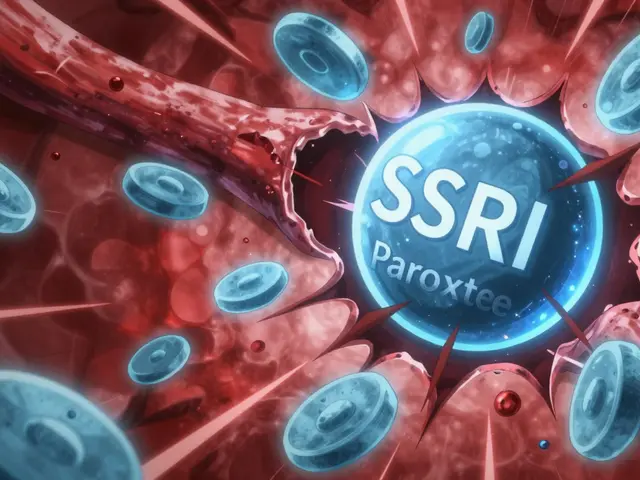
ACE inhibitors like lisinopril, enalapril, and ramipril work by relaxing blood vessels and reducing strain on the heart. But they also interfere with how your kidneys handle potassium. Normally, your kidneys flush out extra potassium. With an ACE inhibitor, that system slows down. Potassium builds up. And when it hits 5.5 mmol/L or higher, you’re in danger of hyperkalemia - a condition that can cause irregular heartbeat, muscle weakness, or even cardiac arrest.
Who’s Most at Risk?
This isn’t a risk everyone faces equally. About 1 in 5 people on ACE inhibitors develop elevated potassium. But for some, the risk jumps dramatically:
- People over 75 years old
- Those with diabetes, especially if they have protein in their urine
- Patients with chronic kidney disease (eGFR below 60 mL/min)
- Anyone taking other drugs that raise potassium - like potassium supplements, spironolactone, or even some antibiotics
A 2021 study found diabetic patients on ACE inhibitors had a 47% higher chance of hyperkalemia than non-diabetics. If you have kidney damage, your risk triples. And if you’re on multiple medications that affect potassium? Your risk can jump 2.8 times higher.
Which Foods Are the Biggest Culprits?
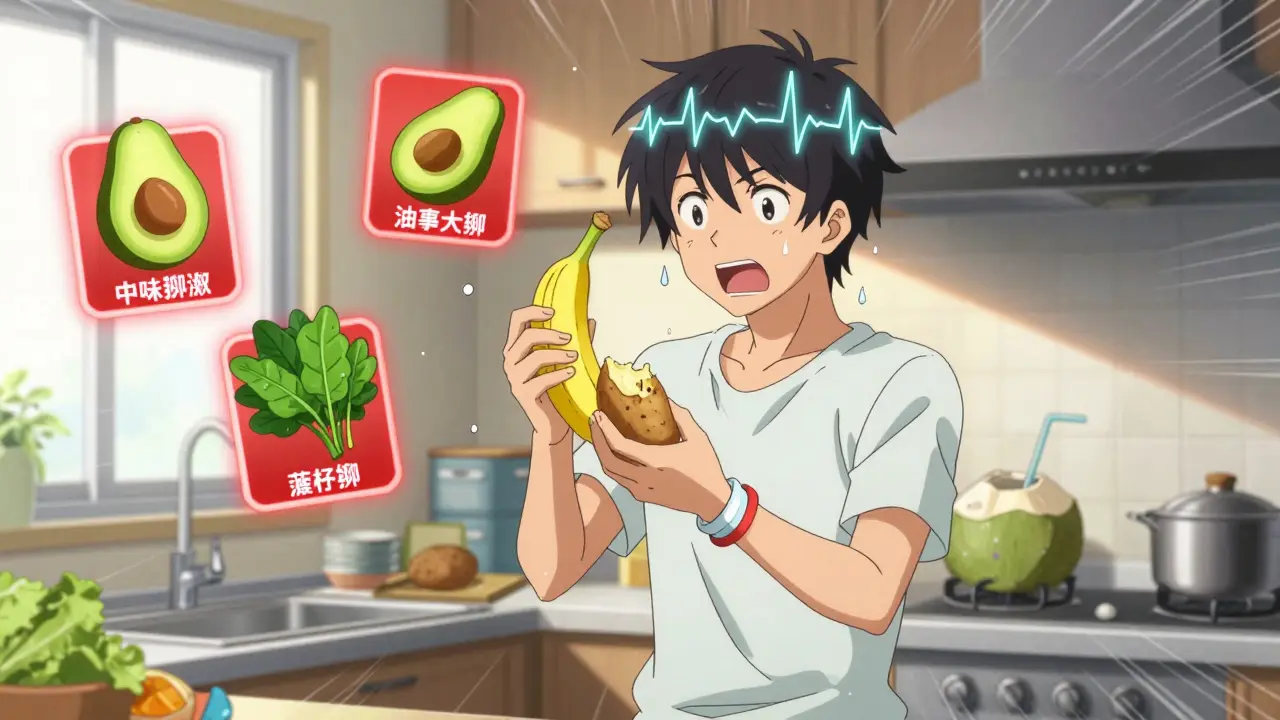
You don’t need to avoid all fruits and vegetables. But some common "healthy" foods pack a serious potassium punch. Here’s what to watch out for:
- Bananas - 422 mg per medium fruit
- Oranges and orange juice - 237 mg per fruit, 496 mg per cup
- Avocados - 708 mg per cup sliced
- Spinach (cooked) - 839 mg per cup
- Potatoes (baked) - 926 mg per medium potato
- Tomatoes and tomato sauce - 292 mg per medium tomato, over 400 mg per half-cup sauce
- Sweet potatoes - 541 mg per medium potato
- Coconut water - 1,150 mg per 16 oz bottle
- Beans and lentils - 600-800 mg per cup cooked
- Salt substitutes - Many contain potassium chloride instead of sodium chloride
Here’s the catch: most people don’t realize these are high-potassium foods. A 2022 study showed 68% of patients couldn’t correctly name three high-potassium foods from a list. That’s why simple tools help - like laminated food charts or apps like "Renal Diet Helper" that track potassium per serving.
How Much Potassium Is Safe?
The National Kidney Foundation recommends limiting potassium to under 2,000 mg per day if your kidney function is low (eGFR below 45). For people with normal kidneys, the average intake is around 3,500 mg - but that’s too much if you’re on an ACE inhibitor.
Think of it this way: one medium baked potato (926 mg) + one banana (422 mg) + a cup of cooked spinach (839 mg) = over 2,100 mg. That’s already over the limit - and you haven’t eaten breakfast yet.
Some foods sneak in under the radar. Protein powders labeled "natural" often have added potassium. Dried fruit, like raisins or prunes, is concentrated sugar and potassium. Even low-sodium soups can be loaded with potassium chloride.

What Should You Do?
Don’t panic. You don’t have to give up healthy eating. You just need to be smarter about it.
- Get your blood tested - Before starting an ACE inhibitor, your doctor should check your potassium and kidney function. Then, test again 7-14 days after starting, after any dose change, and every 4 months.
- Ask for a dietitian - The KDIGO 2022 guidelines say patients with kidney disease should get personalized advice from a renal dietitian. This isn’t optional - it’s essential. Studies show patients who get in-person counseling stick to limits 42% better than those who just get handouts.
- Boil your veggies - Potassium leaches into water. Boiling potatoes, carrots, or spinach and discarding the water can cut potassium by 50% or more.
- Check labels - Look for "potassium chloride" in ingredient lists. Avoid salt substitutes unless approved by your doctor.
- Don’t take supplements - Potassium pills, multivitamins with potassium, or herbal supplements like licorice root can push levels dangerously high.
What If Your Potassium Goes Too High?
If your potassium climbs above 5.5 mmol/L, your doctor may:
- Hold or lower your ACE inhibitor dose
- Switch you to a different blood pressure med (like an ARB - but those can raise potassium too)
- Prescribe a potassium binder - drugs like patiromer (Veltassa) or sodium zirconium cyclosilicate (Lokelma) trap potassium in your gut so it leaves your body in stool instead of entering your bloodstream
These binders have changed the game. A 2023 study found they cut the number of people forced to stop their ACE inhibitor by 41%. That means you can keep taking a life-saving drug without risking your heart.

Real-Life Pitfalls
Patients often think they’re being healthy - and end up in the ER.
One Reddit user shared that after drinking 16 oz of coconut water daily (1,150 mg potassium) while on lisinopril, their potassium spiked to 6.1 mmol/L. They didn’t feel sick - until their heart started racing. They ended up in the hospital.
Another patient ate sweet potatoes every night because they were told "they’re better than white potatoes." But sweet potatoes have 541 mg of potassium each. Two in one day = over half their daily limit.
These aren’t rare cases. They’re common. And they’re preventable.
What’s New in 2026?
Research is moving fast. A new drug called KBP-5074 is in phase 2 trials. It doesn’t block the whole RAAS system - just targets the part that raises potassium. In early tests, 82% of patients kept potassium in the normal range, compared to 54% on placebo. That could mean fewer people have to choose between heart protection and potassium safety.
But for now, the simplest, most proven method remains: watch what you eat. A 2023 meta-analysis of 12 studies with over 8,700 patients found strict potassium restriction reduced hyperkalemia risk by 57%.
You’re not being asked to live on plain rice and chicken. You’re being asked to make small, smart changes. Swap a banana for an apple. Choose white rice over brown. Boil your greens. Skip the coconut water. These aren’t sacrifices - they’re your safety net.
Can I still eat fruits and vegetables on ACE inhibitors?
Yes - but choose wisely. Lower-potassium options include apples, berries, cabbage, cucumbers, green beans, and lettuce. Avoid high-potassium ones like bananas, oranges, potatoes, spinach, and avocados. Boiling vegetables and discarding the water can reduce potassium by half. A renal dietitian can give you a personalized list.
How often should I get my potassium checked?
Test before starting the medication, then again 7 to 14 days after beginning. After that, check every 4 months - or sooner if your dose changes, you get sick, or you start a new medication. If you have kidney disease or diabetes, your doctor may want tests every 2-3 months.
Are all ACE inhibitors the same in terms of potassium risk?
Yes. All ACE inhibitors - whether lisinopril, enalapril, ramipril, or others - work the same way by blocking the RAAS system. That means they all carry the same risk of raising potassium. Switching from one to another won’t reduce the risk. The key is monitoring and diet, not which drug you take.
Can I take a potassium supplement if I’m on an ACE inhibitor?
No. Potassium supplements can push your levels into the dangerous range. Even if you feel fine, your kidneys may not be able to clear the extra potassium. Never take potassium pills, multivitamins with potassium, or herbal supplements without explicit approval from your doctor.
What if I accidentally eat a high-potassium food?
One meal won’t cause a crisis - but repeated mistakes will. If you eat a large potato or a banana, don’t panic. Just avoid other high-potassium foods that day. Track your intake over the week. If you’re unsure, call your doctor. If you feel muscle weakness, chest discomfort, or an irregular heartbeat, seek medical help immediately.
Do salt substitutes help or hurt?
They hurt. Most salt substitutes replace sodium chloride with potassium chloride. One teaspoon can contain over 1,000 mg of potassium - more than half your daily limit. Avoid them completely if you’re on an ACE inhibitor. Use herbs, lemon juice, or garlic instead for flavor.
Can potassium binders like Lokelma replace diet changes?
No. These drugs help, but they’re not a license to eat freely. Studies show they reduce the need to stop your ACE inhibitor, but they work best when paired with diet changes. Eating high-potassium foods while on a binder still raises your risk. Diet remains the foundation of prevention.
Final Thought
ACE inhibitors save lives. But they don’t work in a vacuum. Your food choices matter as much as your prescription. You don’t need to be perfect. Just be aware. Learn which foods are risky. Test regularly. Talk to a dietitian. And don’t let a banana or a potato quietly undo the benefits of your medicine.

About Author




Let me be clear: this post is medically accurate, and I say that as a nephrologist with 18 years of clinical experience. The data on potassium retention with ACE inhibitors is not theoretical-it’s replicated across multiple cohorts. The 2021 diabetic hyperkalemia risk increase? Valid. The 47%? Peer-reviewed. The boiling trick? It’s in the KDIGO guidelines, Appendix D. You’re not overreacting-you’re being prudent.
One banana. One baked potato. One cup of spinach. That’s your whole day’s limit. No wonder people end up in the ER. I used to think "healthy" meant "all plants are good." Turns out, biology doesn’t care about your intentions.
Okay, I just read this whole thing, and I’m genuinely moved-this isn’t just medical advice, it’s a lifeline for so many elderly folks who just want to eat well and stay independent. I’ve seen my mom go from eating sweet potatoes every night to switching to zucchini noodles, and her potassium levels dropped from 5.8 to 4.3 in six weeks. She’s been off the hospital watchlist since last fall. The key? Consistency. Not perfection. Boiling, swapping, reading labels-it’s not about deprivation, it’s about dignity. And yes, I cried reading the coconut water story. That’s real. That’s preventable. Thank you for writing this.
While the dietary advice is sound, I must emphasize that cultural dietary patterns cannot be ignored. In India, lentils are a staple protein source for over 70% of the population. Simply advising avoidance without offering culturally appropriate alternatives is not merely impractical-it is ethically incomplete. The solution must include community-based education, translated dietary guides, and partnerships with local cooks and ayurvedic practitioners. Science without context is noise.
Look, I get it, you’re scared of potassium. But let’s be honest-this is just another way for Big Pharma to sell you binders while making you feel guilty for eating food. I’ve been on lisinopril for 12 years. I eat bananas, avocados, and coconut water. My potassium? 4.1. My doctor? Says I’m fine. You’re scaring people into unnecessary tests and expensive drugs. Stop gaslighting healthy people.
Thank you for the comprehensive overview. The inclusion of specific eGFR thresholds and timeframes for monitoring aligns with current clinical guidelines. I will be sharing this with my patient education materials. The emphasis on renal dietitian referral is particularly commendable and reflects best-practice standards.
While your post contains accurate data, you have omitted a critical variable: genetic predisposition. The CYP3A4 polymorphism affects potassium excretion efficiency in 17% of Caucasians and 32% of African Americans. Your dietary advice is useful, but it is not universally applicable. Without genetic screening, you are applying a one-size-fits-all protocol to a biologically heterogeneous population. This is not medicine-it is protocol theater.
My dad’s on ramipril. We started boiling his potatoes and switching to apples instead of oranges. His last lab? 4.0. He says he feels better. No more leg cramps. No more weird heart skips. It’s not about giving up food-it’s about keeping your heart alive. Small changes. Big difference.
For anyone feeling overwhelmed: start with one swap. Replace your morning banana with an apple. Swap white rice for brown if you’re not already. Skip the salt substitute. That’s three wins in five minutes. Then, schedule your potassium test. You don’t have to fix everything today. You just have to start. I’ve helped over 80 patients do this. You can too.
So let me get this straight-because a drug slows down your kidneys, you’re supposed to live on boiled cabbage and plain chicken? That’s not prevention-that’s surrender. What’s next? Banning all carbs because insulin might spike? This isn’t science, it’s fearmongering dressed up as nutrition. Your potassium’s fine. Your anxiety isn’t.
I love how this post doesn’t just list dangers-it gives you tools. The boiling trick? Genius. The app recommendation? Lifesaver. And the fact that it acknowledges cultural food habits? That’s rare. I’m sharing this with my book club. We’re all over 60. We need this.